

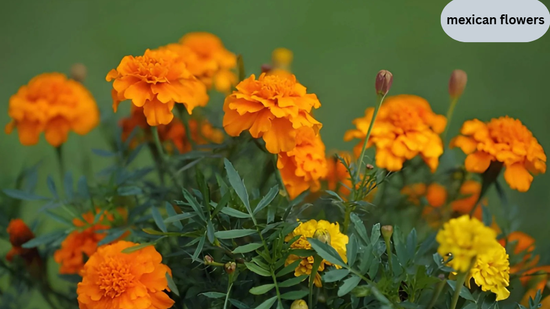
The easiest Mexican flowers to grow in a US garden are marigolds, zinnias, dahlias, and Mexican sunflowers. All four come from Mexico or nearby Central America, so they want full sun and warm soil. Frost damages young growth, so wait until your last spring frost has passed. Most then bloom from midsummer until the first fall freeze.
Your winter law changes the answer most. The University of Illinois Extension says dahlias are hardy only to zone 7, so colder gardens lift the tubers each fall. Add your last frost date to your home maintenance checklists for early spring, since every planting date below depends on it.
Follow these steps and zinnias bloom 8 to 12 weeks after seeding, according to Clemson Extension, with marigolds, Mexican sunflowers, and dahlias joining them through summer.
Pick mexican flowers that fit your sun, space, and winters
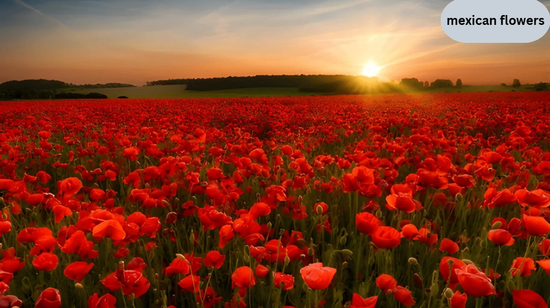
Choose by height, space, and winter low, because each flower wins in a different situation.
Marigolds are tender annuals native to Mexico and Guatemala, according to NC State Extension, so a late frost can kill them.
Dahlia became Mexico’s national flower by presidential decree on 13 May 1963. The Government of Mexico counts 43 species, and 35 of them grow wild only in Mexico.
| Your situation | Best pick |
| Pots on a patio | African marigold |
| Cut flowers from seed | Zinnia |
| Back of a sunny border | Mexican sunflower |
| Winters at zone 7 or warmer | Dahlia |
| Winters colder than zone 7 | Zinnia, marigold, or Mexican sunflower (no tubers to lift) |
Start with color, not the nursery rack. Pull two shades from a design designmode inspiration board or your paint chips, then buy blooms in those tones.
Cut zinnias and dahlias also carry color into interior design, so pick shades that suit the room where the vase will sit.
Prepare a sunny bed or bucket with loose, well-drained soil
Give every plant six or more hours of direct sun and soil that drains well.
NC State Extension also notes Mexican sunflower does best in poorer soil, so skip rich compost for that one.
How to transform garden edges into a flower border starts with stripping the turf and loosening the soil with a fork. Work compost into the zinnia and dahlia beds.
Easiest edible plants to grow in 5-gallon buckets also want full sun, so a bucket garden and a marigold pot can share one patio corner. Drill drainage holes in any bucket before you fill it.
Plant each flower after frost, using five steps
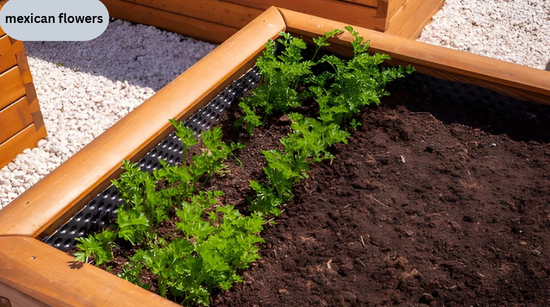
Plant after your last frost date, once the soil has warmed.
- Find your last frost date. A zip-code frost lookup or a garden planner app is all the design tools tech this step needs.
- Start marigold seed inside home six to eight weeks before that date, then set the seedlings out after the last frost.
- One to two weeks after the last frost, plant zinnia seeds outside. Botanical Interests, a seed company, puts ideal germination soil at 70 to 80°F.
- Plant dahlia tubers once the soil holds at least 60°F, the target Longfield Gardens, a bulb supplier, gives for most dahlias. Stake tall varieties at planting.
- Sow Mexican sunflower seed after the last frost, or buy plants.
Design the bed with tall flowers at the back
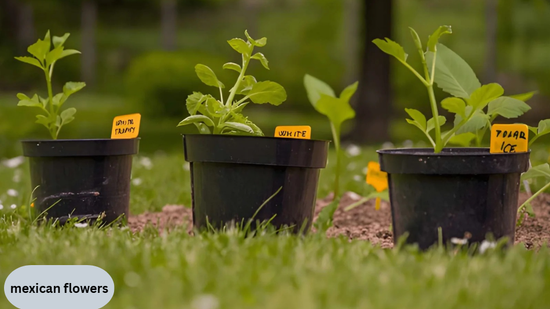
Put Mexican sunflowers at the back and shorter flowers in front.
The University of Wisconsin-Madison Extension, in a 2025 profile, lists it at 4 to 6 feet or more, with brittle stems.
Tall plants shade short ones, so plant dahlias in the middle and keep marigolds and zinnias along the front. Check each seed packet for mature height, since zinnia sizes vary by variety.
A warm palette of orange, yellow, and red suits marigolds, Mexican sunflowers, and many dahlias, much like a designmode24 design scheme you might pin for a living room.
Save reference photos from sites such as .www.design to compare bed shapes before you dig.
Care for the bed through summer to keep blooms coming
Deadheads spend flowers and give plants room to dry, and blooms keep coming until frost.
Shear Mexican sunflower back by about a third in early summer, says the University of Wisconsin-Madison Extension. That promotes branching and trims the height a little.
Zinnias catch powdery mildew in damp, still air, according to Clemson Extension. Space them as the seed packet directs so leaves dry quickly.
Cut zinnia stems for a jar on the counter, one of the easiest kitchen ideas for fresh color. The plant branches more when you cut it.
If you host a watch party for the designmode24 biggest sporting event of the year, deadhead the zinnias the week before so the patio looks fresh.
In zones colder than zone 7, dig dahlias after the first frost and store the tubers at 35 to 50°F until spring, the University of Illinois Extension advises.
Avoid the mistakes that sink most beds
Most failures come from planting too early, crowding plants, or picking the wrong plant for your region.
- Planting before frost has passed: wait until after the last frost date, then plant.
- Crowding zinnias: thin seedlings to the spacing on the packet so air can move between leaves.
- Buying Mexican petunia (Ruellia simplex) for its name: UF/IFAS lists it as a Category 1 invasive in Florida, and even sterile cultivars spread by creeping roots. Plant marigolds or zinnias instead.
- Leaving tall plants unstaked: tie Mexican sunflower and tall dahlias to stakes before they flop.
Before you contact designmode, a nursery, or your county extension office, write down your sun hours, bed size, and last frost date, since each will need them.
Compare your own notes with ideas from DesignMode24 and other sources, and record planting dates and varieties so next year’s bed improves.
Hot desert gardens break the frost-first rule. In Phoenix, Arizona State University reports African marigolds bloom heavily in fall and spring, and grow best between 40 and 100°F. Sow for those seasons instead of waiting for a frost date.
Questions gardeners ask before planting flowers from Mexico
What is the national flower of Mexico?
By presidential proclamation in 1963, the dahlia became Mexico’s national flower. . Marigolds, called cempasúchil, are linked to Day of the Dead, but the dahlia holds the national title. Both plants are native to Mexico, and both grow well in US gardens when planted after frost.
When is the best time to plant marigolds and zinnias?
Plant both outdoors after your last spring frost, because frost damages young growth. Marigold seed can start indoors about six to eight weeks earlier. Zinnia seed sown outside usually blooms 8 to 12 weeks after planting, and warm soil helps it sprout.
Is it true that dahlias return annually?
Only in areas with zone 7 or warmer winters do dahlias return annually. In colder zones, dig the tubers after the first frost and store them cool, at 35 to 50°F, until spring. Skip that step and a hard freeze will probably end the plant.
Which flowers from Mexico grow well in pots?
African marigolds grow well in pots, and any zinnia or dahlia labeled compact can join them. Mexican sunflower is a poor fit because it reaches 4 to 6 feet and has brittle stems. Use a container with drainage holes and put it where it gets six or more hours of sun.
Plan the bed now and plant after the last frost
Marigolds, zinnias, dahlias, and Mexican sunflowers are the easiest mexican flowers for most US gardens, and all four need full sun and a frost-free start. Match each one to your winter low and bed size, plant after the last frost, and lift dahlia tubers if winters fall below zone 7.
- Look up your USDA zone and last frost date today.
- Pick one flower that fits your bed size and winter low, then order seed or tubers.
- Mark your planting dates on the calendar: marigold seed indoors six to eight weeks before the last frost, and the rest outdoors once frost has passed.