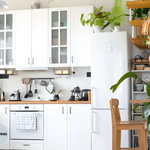


Hispanic flowers are blooms tied to Spanish-speaking cultures, led by Mexico’s marigold, dahlia, and poinsettia. Most grow well in US yards and on patios when you match them to your frost dates. No single plant defines the group, because Hispanic traditions span many countries. Marigolds suit autumn, dahlias suit summer beds, and poinsettias suit winter pots.
How to transform garden beds into a Hispanic-inspired space depends mostly on one fact: your last frost date. Marigolds and zinnias are tender annuals, so sowing before that date risks losing every seedling. Look up the date for your county before you buy anything.
The result is a color-filled bed that starts blooming about 60 to 70 days after you sow zinnia seed.
Learn the story behind each flower before you buy

Three flowers carry the clearest documented ties to Mexico: the marigold, the dahlia, and the poinsettia.
- In Mexico, the marigold is known by its Nahuatl name, cempasúchil, which roughly translates to “twenty flower,” a reference to its numerous petals. California State Parks adds that Mexicans also call it flor de muerto, the flower of the dead.
- The dahlia is native to Mexico and became its national flower in 1963, according to the journal Botanical Sciences.
- The poinsettia grows in Mexico as a shrub 10 to 15 feet tall, and Iowa State University Extension notes the Aztecs made a reddish-purple dye from its bracts.
The U.S. Census Bureau’s July 2024 estimates count about 68 million Hispanic residents, roughly one in five people in the country. For many neighbors these plants are family heritage, so get each origin right before you label a bed.
Save every palette you like in one phone folder, such as a design designmode folder, and note which flower inspired each color.
Cut dahlias and marigolds move the same palette inside home entryways and dining tables.
Choose hispanic flowers that fit your space, climate, and timeline

Match the flower to your frost risk, sun, and container space before you think about color.
| Your situation | Best pick | Why it fits |
| Short growing season | Zinnias from seed | They bloom 60 to 70 days after sowing, so in early May sow flowers by midsummer. |
| Balcony or patio | French marigolds in large pots | They stay smaller than Aztec marigolds and move easily to chase sun. |
| Frost-free yard | Poinsettia shrub | Mild winters let it grow as the large shrub it is in Mexico. |
| Autumn gathering | Marigolds | On November 1 and 2, they are the flowers associated with Día de los Muertos. |
Dahlias fit anyone with summer sun and room for a tall back row.
Gather ideas from nurseries, magazines, and pages like .www.design, then sketch the beds yourself.
Treat any designmode24 design reference as a mood board, not a planting plan, because it can’t know your frost date or soil.
Plan the layout and the calendar

Draw the bed in color blocks, with one dominating color per block and tall plants at the back.
- Back row: dahlias in one or two bold colors.
- Middle row: marigolds in orange and gold.
- Front edge: zinnias in a single shade.
Simple design tools tech, such as a phone photo with a grid drawn over it, are enough for a small bed.
Count forward from your frost date. If it falls on May 5, zinnias sown right after should flower between roughly July 4 and July 14.
Add bed prep to your home maintenance checklists for early spring, next to gutter and hose checks, so the soil is ready before the frost date.
Plant in beds or buckets that drain well
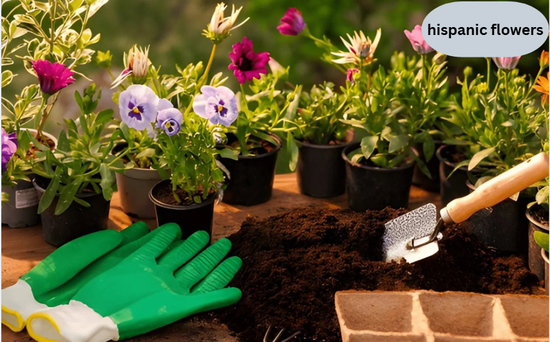
Plant after the last frost, in full sun, in soil or a food-grade bucket that drains freely.
- Confirm the last frost date has passed.
- Pick the sunniest spot you have, since marigolds, dahlias, and zinnias all want full sun.
- For a bucket, choose a food-grade 5-gallon container and drill drainage holes about every 3 inches across the bottom, as the Alabama Cooperative Extension System advises.
- Fill it with a fresh potting mix, then set transplants or sow zinnia seed.
- Water until it runs from the holes, then let the surface dry slightly before watering again.
Easiest edible plants to grow in 5-gallon buckets include peppers and many herbs, according to University of Illinois Extension, so one bucket can sit beside the flowers.
A pot of herbs on a sunny sill is one of the simplest kitchen ideas, and it follows the same steps.
Style the garden with details that carry the culture year-round
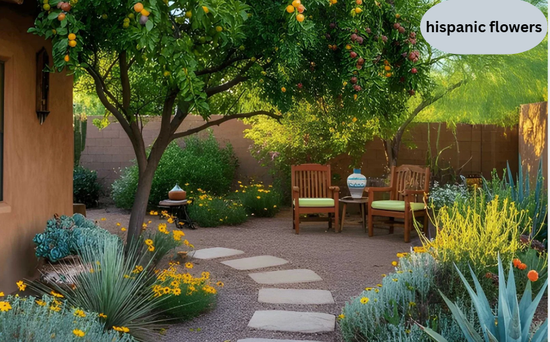
Pair the plants with traditional pottery so the culture shows even when nothing is in bloom.
UNESCO added the artisanal Talavera of Puebla and Tlaxcala to its intangible heritage list in 2019. The listing says the making process still follows the same pattern as in the sixteenth century. Ask where a pot was made before you pay Talavera prices.
Echo the garden palette in interior design details, such as a bowl of cut marigolds on a console table.
A marigold border is a respectful way to enjoy the color. Keep displays for families who observe Día de los Muertos.
For more palette references, DesignMode24 is one of many places to browse before you buy pots.
Fix the mistakes that cost gardeners a season
Most failures come from three habits: planting too early, skipping drainage, and treating Hispanic culture as one style.
- Planting early. Frost kills tender seedlings. Fix it by waiting for the last frost date, or by hardening off transplants first.
- Skipping drainage. Water pools around the roots in a sealed bucket. Fix it by drilling holes before you fill the container.
- Mixing cultures. Hispanic traditions span many countries, so one label hides real differences. Fix it by naming each plant’s origin on a tag and pairing pots from the same region.
Slopes, walls, and paving need a plan before planting. You can contact designmode or any other design service you trust before spending on hardscape.
Seeds won’t help if a backyard watch party for the designmode24 biggest sporting event is two weeks away. Buy potted marigolds or dahlias, group them in one color block, and move them into the bed afterward.
Answers to what gardeners ask first
What counts as hispanic flowers in a US garden?
No official list exists, so the phrase usually points to flowers rooted in Spanish-speaking cultures, led by Mexico’s marigold, dahlia, and poinsettia. Select plants whose provenance and significance you can identify so that the garden appears respectful rather than themed.each pot helps visitors learn the story.
Which flower is Mexico’s national flower?
The dahlia is Mexico’s national flower, officially named in 1963. The marigold, called cempasúchil, is the flower most linked to Día de los Muertos on November 1 and 2. Gardeners often plant both, because dahlias bloom in summer while marigolds carry color into autumn.
How long do zinnias take to bloom from seed?
Zinnias usually take 60 to 70 days to bloom from seed. Sow them after your last frost, because cold kills young plants. If that date is April 15, expect flowers between June 14 and June 24. Warm soil speeds germination, so avoid sowing into cold ground.
Can I grow marigolds in a plastic bucket?
If a plastic bucket is food-grade and has drainage holes drilled in its base, it can be used.Without holes, water collects around the roots and the plants rot. Fill it with fresh potting mix and place it in full sun.
Start with your frost date and one bold flower
The best way to grow hispanic flowers is to pair each plant’s cultural story with your own frost date and sun. Marigolds, dahlias, and poinsettias come from Mexico, while zinnias add fast, low-cost color between them. Plant after the last frost, drain every container, and credit the tradition behind each bloom.
- Look up your county’s last spring frost date today.
- Choose one flower that matches your space, such as zinnias for a short season or marigolds for a patio.
- Drill drainage holes in a food-grade bucket, or mark a sunny spot in your bed.