Your house is more than just a place to sleep. It is where you work, relax, raise your family, and spend most of your life. The way it looks and feels shapes your mood every single day. That is why more Americans are paying serious attention to how their spaces are designed, not just how they look in photos. DesignMode24 design supports that shift directly. It pushes toward intentional decision-making at every step, from the color on the wall to the lamp on the side table.
The direction of home design has shifted noticeably in recent times. Homes are growing more intimate, expressive, and cozy. In order to create places that are based on comfort, craftsmanship, and purpose, designers are focusing more on what lasts. This article covers practical, honest guidance across every major area of the home. Color, furniture, lighting, texture, small spaces, and sustainability. All grounded in what is actually working right now.
What Modern Home Design Actually Means
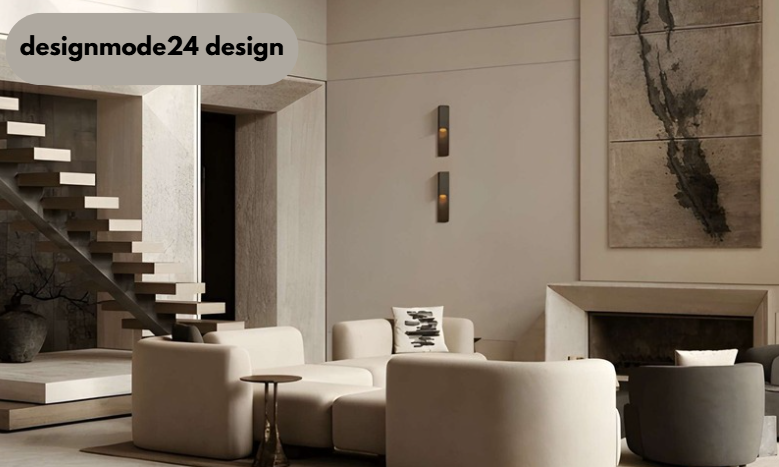
A lot of people assume modern home design means cold gray walls and furniture that looks uncomfortable. That assumption is wrong. The core idea has always been balance. A room has to look right and feel right at the same time. Good design must work as well as it looks. The modern living room ideas shared by designmode24 design can help turn any simple space into a stylish and comfortable home.
What separates a well-designed home from one that just looks decorated is intention. Before buying a sofa, ask whether it fits the room. Before painting a wall, think about how that color behaves at different times of day. Before adding more decor, ask whether the room actually needs it. These are not complicated questions. But most people skip them, and that is where rooms start going wrong.
Rooms that reflect the individuals who live in them are replacing trendy spaces and cookie-cutter decor.Homeowners are no longer trying to replicate a magazine spread. They want spaces that feel genuinely theirs. The most effective home interiors are built around real life, not around trends or what looks good in photos.
Color: Warm, Grounded, and Personal
Color is the most powerful tool in home design and also the most misunderstood. People either overthink it or ignore it entirely, and both lead to rooms that feel slightly off without anyone being able to say why.
The strongest color direction in modern home decor is warmth. Terracotta, warm beige, deep olive, clay pink, and earthy browns are showing up across American homes right now. These are not cold or clinical tones. They are grounded and calming. The design world has moved away from stark whites and cool grays that dominated earlier years. Those palettes looked clean but rarely felt lived in.
For most rooms, the safest starting point is a warm neutral base. Creamy whites, soft grays, and warm taupes work with almost any furniture style. They also give flexibility when you want to add personality through accent pieces or textiles later.
Color behaves differently at different times of day. A beige that reads warm and calm in afternoon sunlight may feel flat under artificial evening light. Before committing to any wall color, test a large swatch and watch it in the morning, afternoon, and evening. That simple observation will save you from a full repaint.
Furniture: Built for Comfort, Built to Last
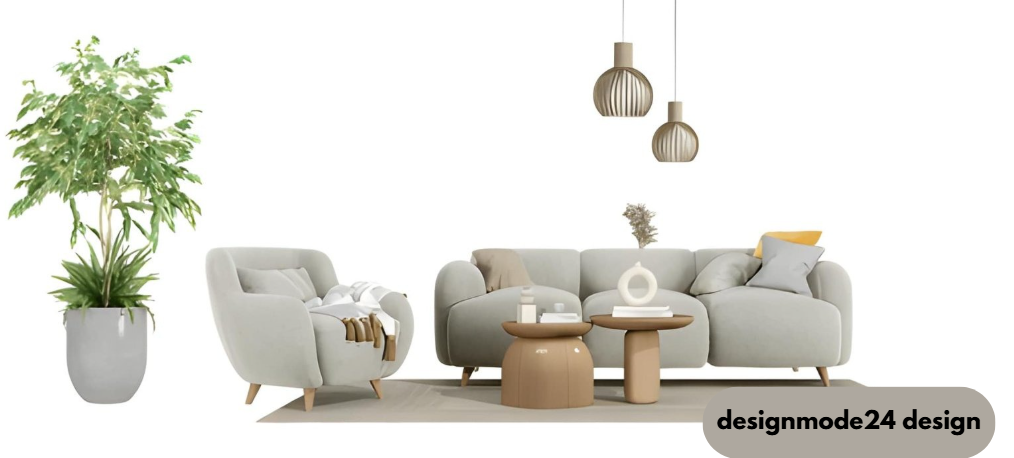
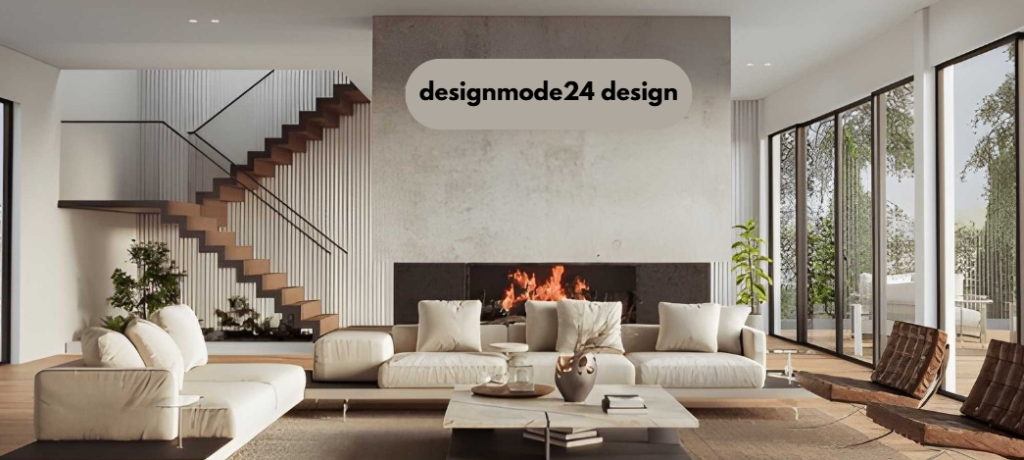
Seating has shifted toward deep, rounded shapes that take up real space in a room. These pieces are built for sinking into, and a bold sectional placed correctly becomes a room’s anchor almost immediately. For years, design pushed toward slim-profile furniture with thin legs and minimal visual weight. Comfort is now back as a clear priority, and that is a better direction for most real homes.
Scale still matters enormously. The most common furniture mistake in American homes is buying pieces that are too large for the room or, just as often, too small. A rug that does not extend under the front legs of all main seating makes a room feel disconnected. A coffee table that crowds the walking path makes a room feel smaller than it actually is.
Material quality has become a serious consideration. People are done with disposable furniture. Buy less, but better. Fewer high-quality pieces chosen with intention will always outperform a room filled with volume purchases. Solid wood frames, high-density cushions, and quality upholstery last for decades. Cheap alternatives from last season.
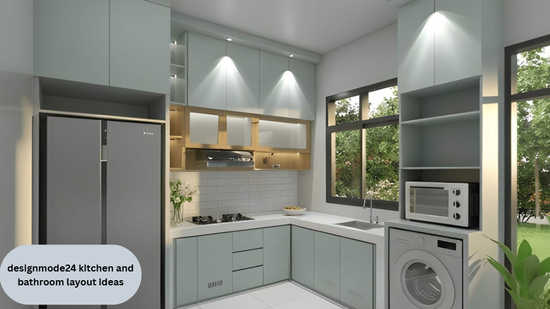
Multi-purpose furniture is in strong demand. Storage ottomans, extendable dining tables, beds with built-in drawers, and modular shelving all serve two functions in the space of one piece. In a smaller home or apartment, this is not a compromise. It is the right way to think about every purchase.
Lighting: The Layer Most Rooms Are Missing
Most American homes rely on a single overhead light per room. That is enough to see by. It is not enough to make a room feel good.
Layered lighting is the professional approach, and it is more achievable than most people think. Ambient light is the base, usually an overhead fixture or recessed cans. Task lighting is directed and specific, like a reading lamp beside a chair or under-cabinet strips in a kitchen. Accent lighting highlights specific elements like artwork, shelving, or a textured wall. Together, these three layers make a room feel designed rather than simply lit.
Dimmer switches are one of the highest return-on-investment upgrades in any room. They typically cost between $15 and $40 per switch and allow the same fixture to serve completely different moods across the day. Most modern LED bulbs are dimmable. The installation takes under 30 minutes, and the difference is immediate.
Warm-toned bulbs in the 2700K to 3000K range create the cozy, inviting quality most people associate with comfortable homes. Bulbs above 4000K feel clinical and suit workspaces more than living areas. Matching bulb temperature throughout connected spaces keeps the overall feel consistent.
Natural light deserves equal attention. Lighter linen or sheer panels filter light while maintaining privacy. Hanging curtain rods above the window frame and wider on each side makes windows look larger and pulls more natural light into the room.
Texture and Handcraft: What Makes a Room Feel Human
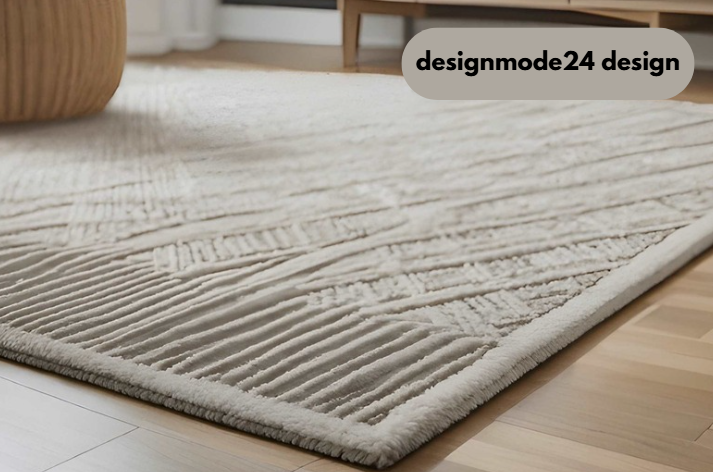
After years of polished, smooth, highly manufactured interiors, there is a real appetite for surfaces that show how they were made. Handthrown ceramics, rough-hewn wood, limewash walls, woven textiles, and hand-stitched cushions. These are the details that make a room feel lived in rather than staged.
A space doesn’t feel flat because of its texture. A space furnished entirely in smooth, synthetic surfaces looks correct but feels hollow. Mixing a woven throw, a rough clay pot, a soft rug, and a wood-grain side table creates the kind of tactile richness that makes a room genuinely inviting.
Vintage frames are making a strong return in modern interiors. A thicker, gilded, or wooden frame warms up a room, adds soul, and contrasts well against clean, contemporary furniture. A few mixed into a modern room break the sterility without making the space feel dated.
If you’re looking for fresh and practical home styling inspiration, designmode24 interior design shares simple ideas that can make any space feel modern, comfortable, and visually appealing.
Small Spaces: Work With What You Have
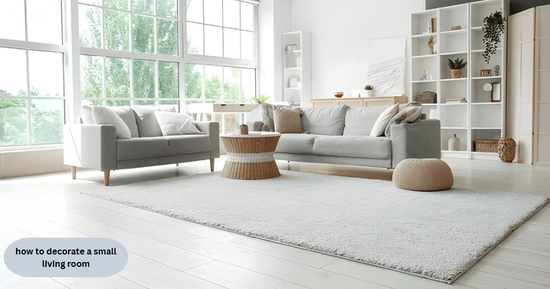
Small spaces require a different mindset. The instinct is usually to shrink everything. Smaller furniture, bare walls, minimal decor. But that approach often makes a space feel more cramped, not less.
Vertical space is the most underused asset in small homes. Most people decorate at eye level and below, leaving the upper third of every room completely empty. Shelving that runs high, tall bookcases, and hanging plants draw the eye upward and signal more space than the floor plan actually contains.
Rearranging what you already own can make a room feel entirely new without spending anything. Pulling sofas and chairs away from walls to create a defined conversation area works consistently well.
Mirrors placed opposite windows reflect natural light back into the room and create a visual impression of depth. A large mirror on the main wall of a small room is one of the most effective low-cost changes available. Color also plays a role. Lighter walls reflect more light, and keeping floors, walls, and ceiling in a consistent tonal family makes a small room feel less confining.
Sustainability: Design That Holds Up
The U.S. Department of Energy claims that LED lighting uses at least 75% less energy and can last up to 25 times longer than incandescent bulbs. That kind of practical design choice affects both comfort and long-term cost at the same time.
Sustainability in modern home design is built into how people shop for furniture and choose materials. Reclaimed wood, natural stone, bamboo, linen, and cotton all hold up well, age gracefully, and carry less environmental cost than synthetic alternatives.
Programmable thermostats, voice-controlled lighting, and wireless-charging furniture have moved from luxury features to practical everyday additions. The key is integrating them cleanly so they support the design of a room rather than standing out as gadgets.
The most important decision in any home is still the simplest one. Buy fewer things, and make sure what you buy is worth keeping for a long time. A room with ten carefully chosen pieces will always look better and function better than a room with forty things chosen quickly.
Final Thought
Good home design values intention over impression and comfort over perfection. Color that calms. Furniture that fits. Lighting that serves every hour of the day. Texture that feels human. Choices that last.
That is what a well-designed home looks like, and it is what DesignMode24 design has always pointed toward.