
DesignMode24 interior design centers on measurable choices — room layout, lighting temperature, and material selection — rather than trend-chasing. Applied correctly, these choices lower long-term cost per year of use while improving how a room feels to live in daily.
Most advice on interior design designmode24 readers encounter online repeats the same five rules: pick a focal point, layer lighting, stick to a palette, mix textures, edit clutter. Those rules aren’t wrong, but they don’t tell a homeowner which room to fix first when the budget is limited. The 2026 U.S. Houzz & Home Study, published April 23, 2026, gives a starting point: it surveyed 20,358 homeowners and found median kitchen renovation spend rose 9.1% to $24,000 in 2025, while guest bathroom spend rose 16.7% to $7,000. Those numbers only describe what people spent — not what that spending is actually worth per year lived in the space.
Key Takeaways
- Dividing 2025 median renovation spend by a realistic refresh cycle produces an annualized cost — guest bathrooms and lighting upgrades post the lowest cost per year, kitchens the highest.
- The 2026 Houzz study reported a 54% renovation rate in 2025, alongside a projected median spend drop to $15,000 for 2026 — a 25% pullback from the prior year.
- Layering three light sources per room changes perceived value more than a single expensive fixture does.
- Matching every finish exactly in a room reads as less intentional than allowing 10-15% material variation.
- Renters and short-hold owners should weight low-cost, reversible changes over full renovations, since the cost-per-year math assumes long-term occupancy.
What Does DesignMode24 Interior Design Actually Cover?
What is interior design in the DesignMode24 sense?
Interior design, in this context, means the deliberate arrangement of layout, lighting, materials, and color to serve how a room is actually used. It is distinct from decorating, which adjusts surface elements like paint or accessories without changing layout or function. A room can be decorated attractively and still fail as design if the layout ignores traffic flow or task lighting.
Which rooms deliver the most value for the money spent?
Kitchens, primary bathrooms, and guest bathrooms deliver the highest raw dollar value per the 2026 Houzz study, but raw dollar value is not the same as cost efficiency. A $24,000 kitchen used daily for 15 years costs far less per year than the number suggests. A guest bathroom used occasionally still returns real value because its spend is smaller.
The Annualized Cost-Per-Year Calculation
No published ranking of “best value” interior design projects for 2026 divides renovation spend by realistic years of use before the next refresh. That calculation changes which project actually ranks first.
The method: take the 2025 median project spend from the Houzz study, divide by a conservative refresh cycle for that room type, and compare the result across categories.
| Room | 2025 Median Spend | Realistic Refresh Cycle | Annualized Cost |
| Kitchen | $24,000 | 15 years | $1,600/year |
| Primary bathroom | $15,000 | 12 years | $1,250/year |
| Guest bathroom | $7,000 | 10 years | $700/year |
Refresh-cycle estimates above are reasonable planning assumptions based on typical material lifespans, not figures drawn from the Houzz study itself; the study reports spend, not longevity. Once annualized, guest bathrooms cost less per year than either kitchens or primary bathrooms, despite having the smallest headline budget. A homeowner deciding where to spend first should weigh annualized cost against how often a room is used, not the size of the renovation invoice.
This calculation does not apply evenly across the board. Homes sold within three to five years never reach the refresh cycle the math assumes, so annualized cost understates the real cost per year of ownership for a short hold. Renters face the same exception in reverse — most renovation categories above are unavailable to them entirely, which is why reversible, low-cost changes carry more actual value per dollar for that group.
How Should a Room Be Planned Before Buying Anything?
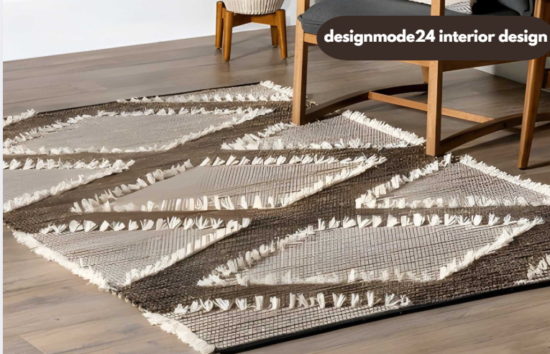
What comes first, layout or decor?
Layout comes first because furniture placement and traffic flow determine whether decor choices can succeed at all. A well-chosen sofa in the wrong spot still blocks a doorway. Planning layout before shopping avoids returns and mismatched purchases.
- Measure the room’s usable floor space, not just wall length.
- Mark doorways, windows, and vents before placing furniture.
- Choose one focal point per room — a window, a fireplace, or a piece of art.
- Leave 30 to 36 inches of walking clearance in main pathways.
How does lighting change how a room feels?
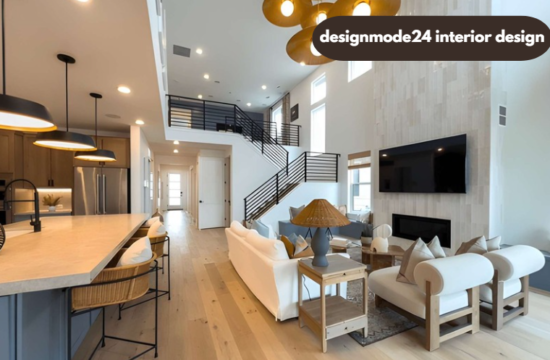
Layered lighting — ambient, task, and accent sources in the same room — changes perceived value more noticeably than a single upgraded fixture. A room lit by one overhead bulb reads flat regardless of furniture quality. Three light sources at different heights create depth even in a modest budget.
- Ambient: an overhead fixture or recessed lighting for overall brightness.
- Task: a reading lamp, under-cabinet light, or desk lamp for specific activities.
- Accent: a wall sconce, picture light, or LED strip that highlights a feature.designmode24 design visit for further ideas.
Where Do Homeowners Get the Color and Material Choices Wrong?
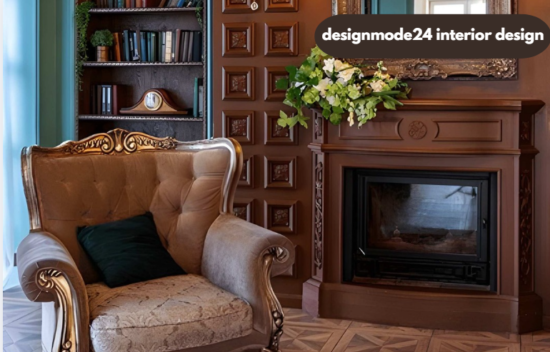
What is the matching fallacy?
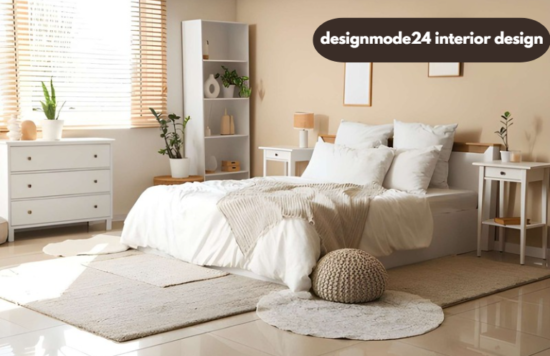
The matching fallacy is the assumption that finishes read as more expensive when they match exactly, when in practice intentional variation of 10 to 15% reads as more curated. A room with identical wood tones on every surface looks like a display set, not a lived-in space. Small deliberate contrasts — a slightly warmer wood tone on one piece — signal that choices were made on purpose rather than pulled from a single catalog page.
Designers commonly repeat one rule about color allocation: a 60-30-10 split between a dominant color, a secondary color, and an accent. That rule still holds, but it says nothing about material finish, which is where the matching fallacy actually shows up — in cabinet hardware, wood tones, and metal finishes bought in a single matching set rather than intentionally varied.
Comparing DIY Decorating Against Hired Design Help
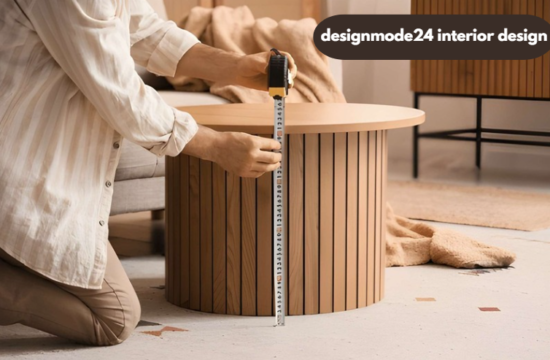
| Factor | DIY Decorating | Hired Interior Design |
| Typical cost | Materials only | Materials plus design fee |
| Time investment | High — research and trial and error | Lower — professional handles sourcing |
| Risk of costly mistakes | Higher, especially on layout and lighting | Lower, with a trained eye on scale |
| Best fit | Single-room refreshes, renters | Whole-home projects, resale prep |
Per NAHB’s remodeling guidance, projects that touch structural elements or require permits benefit from professional oversight regardless of budget, since code compliance issues cost more to fix after the fact than to plan for upfront.DesignMode24 brings simple, modern, and practical ideas to help you create a stylish home that feels comfortable and personal.
Frequently Asked Questions
What does DesignMode24 interior design mean in practice?
DesignMode24 interior design refers to structured, layout-first decisions about a room — not just picking colors or furniture. It treats traffic flow, lighting layering, and material contrast as the core levers that change how a space feels, with decor as the final layer applied after those decisions are made.
How much should a first interior design project cost?
A realistic starting budget for a single-room refresh is $1,000 to $3,000 for paint, lighting, and textiles, well below full renovation figures. Full kitchen or bathroom renovations, per the 2026 Houzz study, run into five figures and should be planned around the annualized cost, not just the sticker price.
Is hiring a designer worth it for a small home?
Hiring a designer is worth it when a project involves structural changes, multiple rooms, or resale preparation, but a single-room decorating refresh rarely needs one. Small, contained projects are where DIY decorating carries the least risk, since a mistake affects one room rather than a whole-home plan.
Which room should get design attention first?
The room used most often daily, typically the kitchen or living room, should get attention first because it returns the fastest daily benefit. Annualized cost data supports starting with the highest-use space even when it carries the largest upfront number, since the cost per year of actual use tends to be lower than infrequently used rooms.
Does interior design designmode24 advice apply to renters?
Most core interior design principles — layout, lighting, color allocation — apply to renters through reversible methods like plug-in lighting, tension rods, and furniture placement. Renters should avoid the annualized renovation math in this guide, since it assumes long-term ownership, and instead prioritize changes that transport when the lease ends.
How often should a room’s design be refreshed?
Refresh cycles vary by room, from roughly 10 years for a guest bathroom to 15 years for a kitchen, based on typical material wear rather than a fixed rule. Rooms with heavier daily use, like kitchens, tend to show wear sooner and justify a shorter cycle than infrequently used spaces.
Where can someone start learning DesignMode24 design principles?
A useful starting point is a single room audit — measuring layout, counting light sources, and checking finish variation — before any purchase. From there, readers can browse www. com for further project breakdowns and contact designmode24 to ask project-specific questions.
Conclusion
DesignMode24 interior design works best when spending is measured against years of actual use, not just the size of the renovation invoice. Guest bathrooms and lighting layering return the lowest annualized cost, while kitchens carry the highest raw spend but also the most daily use to justify it. The homeowners who plan layout and lighting before buying anything consistently avoid the costliest mistakes.