
The best cypress trees for your yard depend on width and soil: Italian cypress for narrow strips, Leyland cypress for big lots, and bald cypress for wet ground. Italian cypress grows as a slim column. Leyland cypress fills out into a wide pyramid. Bald cypress is the only one of the three that drops its needles each fall.
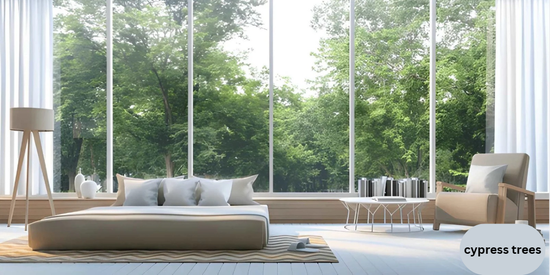
Width is the fact that changes the answer most, because a slim column and a wide pyramid need very different amounts of ground. It also shapes the view from inside home windows once the trees mature.
Pick your tree by yard situation
Match width and soil first, then check winter hardiness against each tree’s zone range.
UF/IFAS Extension rates Italian cypress for zones 7b through 11 and bald cypress for zones 5a through 10b, so cold winters can rule out a tree early.
| Your situation | Short answer |
| A strip about three feet wide with mild winters | Italian cypress |
| A large lot that needs a fast screen | Leyland cypress, watered through dry spells |
| A low spot where water sits | Bald cypress |
| Winters colder than zone 7b | Bald cypress |
| A patio or small yard | None of the three; pick something smaller |
On DesignMode24, tree advice starts with the mature size, and cypress is the clearest case.
In any designmode24 design you sketch for your yard, mark the tree’s mature width as a circle, not the nursery pot.
Meet the cypress trees that fit home gardens
Three cypress types suit home gardens, and each solves a different problem.
Italian cypress fits when you have height to fill and almost no width. It’s normally no more than three feet wide, and the blue-green ‘Glauca’ form makes a dense screen when planted three feet apart. A 60-foot fence line takes 21 trees at that spacing.
The sizing habit from interior design carries outdoors: measure the space before you fall for the piece.
Picture a backyard watch party for the designmode24 biggest sporting event of the year. A row of Italian cypress along the fence keeps the neighbors’ windows out of sight.
Leyland cypress is the fastest one. Clemson Extension reports growth of 3 to 4 feet a year while young. That speed is the appeal and the catch, because the tree quickly outgrows a small yard.
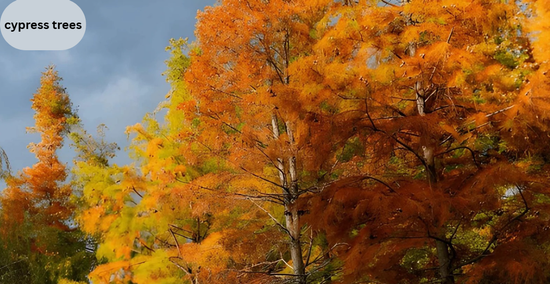
Bald cypress is the only deciduous type here. NC State Extension lists it at 50 to 70 feet tall and 20 to 30 feet wide.
Root knees, knobby growths around the trunk, usually form where it sits in or near water, so it suits a soggy corner.
Compare mature size and soil needs side by side
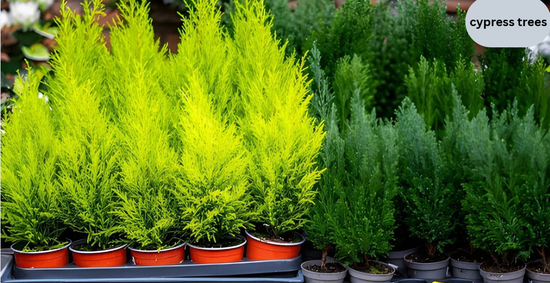
Bald cypress and Leyland cypress need the most room, and Italian cypress needs the least.
Guides disagree on Leyland height, with UF/IFAS Extension giving 35 to 50 feet and Clemson Extension giving 60 to 70 feet, so plan for the taller number.
| Tree | Mature height | Mature width | Leaves |
| Italian cypress | About 40 feet | About 3 feet | Evergreen |
| Leyland cypress | 35 to 70 feet | 15 to 25 feet | Evergreen |
| Bald cypress | 50 to 70 feet | 20 to 30 feet | Deciduous |
These figures come from different guides, so read them as ranges, not promises.
Drainage is the next filter. Italian cypress can develop root rot in poorly drained soil, while bald cypress tolerates most soils except alkaline ones above pH 7.5.
Measure the planting strip with a tape, the way you would before settling on any kitchen ideas.
Then sketch the line to scale on graph paper or in design tools tech you already have.
Choose by space, soil, climate, and timeline
Space decides first, soil second, and winter cold third.
- Narrow strip and mild winters: Italian cypress, as long as the soil drains well.
- Wide lot and a fast screen: Leyland cypress, if you’ll water through every drought.
- Wet or heavy ground: bald cypress, which takes most soils except alkaline ones.
- Cold winters: bald cypress, rated down to zone 5a.
- Privacy within a few seasons: Leyland cypress, which adds 3 to 4 feet a year while young.
Keep a shortlist folder, call it design designmode or anything else, and write each tree’s mature height beside its photo.
Mood boards mislead because they show trees at nursery size, even a board saved from a .www.design page.
Budget five years of growth, water, and spring checks
Leyland cypress asks for the most effort, and drought is the main reason.
Reported growth of 3 to 4 feet a year describes young trees, while NC State Extension puts the average at 2 to 3 feet on typical southern sites.
Over five years, that adds 10 to 15 feet at the average rate and 15 to 20 feet at the young-tree rate.
Canker is the bigger cost. A November 2025 handout from University of Arizona Cooperative Extension says Seiridium canker has no chemical control.
Drought stress favors infection, so UGA Extension calls irrigation during dry spells the best defense.
The same handout says Arizona cypress has some resistance, so it’s worth asking a local nursery about.
Add a cypress check to your home maintenance checklists for early spring, and look for brown twigs and oozing resin.
Whenever you contact designmode, a nursery, or your county extension office about a planting, lead with your zone, soil type, and fence length.
Skip these trees when space or sun is limited
None of these cypress types suits a small yard or a deep-shade corner.
Leyland cypress is too big for most residential yards unless you trim it regularly. It is also not recommended in California because of how severe its canker disease gets there.
Leyland cypress is shade intolerant, so it needs open, sunny ground.
How to transform garden corners that stay in deep shade is a separate question, because all three of these trees want sun.
Easiest edible plants to grow in 5-gallon buckets suit a patio better than any tree that reaches 40 feet.
Quick answers before you buy a cypress
Do cypress lose their needles in winter?
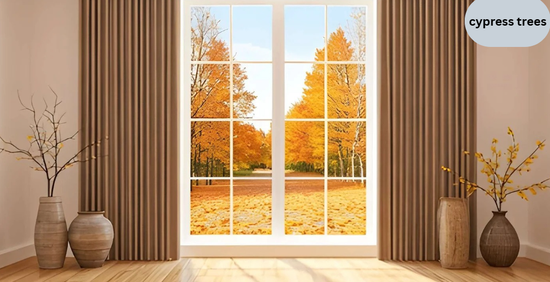
Only bald cypress does. It is a deciduous conifer, so it drops its needles each fall and stands bare through winter. Italian cypress and Leyland cypress stay green all year, which is why they’re the usual picks for a winter screen. Plan for that bare season if the tree sits in view of a window.
What’s the best cypress for wet soil?
Bald cypress is the best choice for wet soil. It grows along streams and in mucky ground, and it also does well in ordinary garden soil unless the pH is above 7.5. Skip Italian cypress there, since it can develop root rot where drainage is poor.
My Leyland cypress is going brown; why?
Brown branches on Leyland cypress often point to canker, a fungal disease that drought stress makes more likely. Look for oozing resin on the affected twigs. Because no chemical control exists, steady watering through dry spells is the main protection, so start before symptoms show.
For privacy, how far apart should I plant Italian cypress?
Plant the ‘Glauca’ form about three feet apart to get a dense privacy screen. Leyland cypress needs far more room, because a mature tree can spread 15 to 25 feet. Measure the full length of the screen first, then divide by the spacing and add one tree.
Start your cypress plan today
The right cypress trees depend on width, soil, and winter cold: Italian cypress for slim strips, Leyland cypress for big, well-watered lots, and bald cypress for wet ground. Mature size beats nursery size in every case. Check your zone and measure the space before you buy.
- Measure the length and width of the planting spot and look up your hardiness zone.
- Match the space to a tree: about 3 feet wide for Italian cypress, 15 to 25 feet for Leyland cypress, or 20 to 30 feet for bald cypress.
- Schedule watering through the first dry spell, and check for brown twigs next spring.