
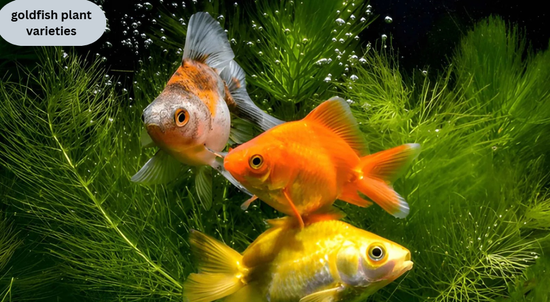
The best goldfish plant varieties for most homes are Nematanthus gregarius for cooler rooms and Columnea ‘Superba’ or ‘Stavanger’ for warm, bright ones. Both genera trail from baskets and shelves and carry mostly orange or red flowers shaped like small fish. Nematanthus blooms are plump, pouched and about 1 inch long. Columnea blooms are longer and arched, near 3 inches.
One condition changes the answer more than style does: how cold the room gets in winter. NC State Extension says Nematanthus gregarius can’t tolerate temperatures below 50°F, and the Columnea hybrids ‘Superba’, ‘Stavanger’ and ‘Chanticleer’ need warmer rooms still. Choose a goldfish plant that suits your room’s temperature and lighting, then use it to add natural color and texture to your interior design.
Match your room to a goldfish plant in one look

Five situations cover nearly every buyer, and each has one best-fit type.
| Your situation | Short answer |
| Winter nights near 50°F | Columnea hirta |
| Steady 59°F or warmer, big flowers wanted | Columnea ‘Superba’ or ‘Stavanger’ |
| Room stays above 55°F, leaf color wanted | Nematanthus gregarius ‘Golden West’ |
| Cats or dogs at home | Any type, once you confirm its botanical name |
| A dim room with no bright window | None until you add light |
Goldfish plants grow best inside home spaces with bright, indirect light and stable temperatures, making them a lovely addition to living rooms, bedrooms, and warm kitchens.
For fresh kitchen ideas, place a goldfish plant in a hanging basket near a bright window, keeping it away from cold drafts and direct, harsh sunlight.
Meet the goldfish plant varieties worth growing indoors

Two genera cover nearly every goldfish plant on sale: Nematanthus and Columnea.
- Nematanthus gregarius, the clog plant, has glossy, fleshy leaves and plump orange blooms. It reaches about 1.5 feet tall and 3 feet wide.
- ‘Golden West’ is a variegated form of it with green, yellow and white leaves, sometimes pink-tinged, and orange-red flowers, according to the Royal Horticultural Society.
- Columnea ‘Superba’ has small dark green leaves under orange-red flowers and holds an Award of Garden Merit.
- Columnea ‘Chanticleer’ pairs dark green leaves, edged with red hairs, with yellow flowers tipped in red.
- Columnea ‘Stavanger’ is the vigorous one, with lustrous dark green leaves and scarlet flowers.
- Columnea hirta has hairy stems and leaves with orange-red flowers.
A DesignMode24 design approach pairs goldfish plants with warm neutral colors, natural materials, and simple planters to create a balanced indoor space.
If you enjoy the vivid colors of Mexican flowers, a goldfish plant with scarlet or orange blooms can bring a similar warm accent to your indoor decor.
In a room built around a design designmode theme, a trailing stem adds movement that a flat shelf lacks.
Compare flower size and cold tolerance side by side

Columnea hybrids carry the largest flowers, but Nematanthus and Columnea hirta tolerate cooler rooms.
| Type | Flower length | Lowest winter temperature it’s rated for |
| Nematanthus gregarius | About 1 in (2.5 cm), summer | 50 to 59°F (10 to 15°C) |
| ‘Golden West’ | About 1 in (2.5 cm), summer | 50 to 59°F (10 to 15°C) |
| Columnea hirta | About 2.8 in (7 cm), summer | 41 to 50°F (5 to 10°C) |
| ‘Chanticleer’ | About 3.1 in (8 cm), spring and summer | Above 59°F (15°C) |
| ‘Superba’ | About 3.1 in (8 cm), summer | Above 59°F (15°C) |
| ‘Stavanger’ | About 3.1 in (8 cm), spring and summer, some bloom after | Above 59°F (15°C) |
The temperature column uses RHS hardiness ratings. These are minimum-temperature bands set for UK conditions, not tested kill points. The 50°F figure for Nematanthus gregarius is a separate extension note, and it fits the same band.
Fans of Hispanic flowers and colorful floral displays may enjoy pairing goldfish plants with terracotta pots and warm-toned accessories.
When researching plant varieties and indoor styling, visit designmode.com for home design inspiration and practical decorating ideas.
How to choose a goldfish plant by room, pets and skill level
Choose by winter temperature first, then by pets, light and experience.
- Columnea Hirta, which has the lowest minimum rating among the group, is a cool chamber or unheated entry.
- Warm living room with steady heat: ‘Superba’ or ‘Stavanger’ for the largest flowers.
- First-time buyer: Columnea hirta or Nematanthus gregarius, since both forgive a colder night than the other types.
- Pet household: the ASPCA lists a plant it calls goldfish plant, Hypocyrta nummularia, as non-toxic to dogs and cats. The Laidback Gardener blog lists Columnea as non-toxic too, but that’s one horticulturist’s list, so confirm the name on your tag.
- Style-led room: ‘Golden West’ for leaf color, ‘Chanticleer’ for a yellow flower.
At DesignMode24 hour indoor plant advice focuses on choosing varieties that suit your home’s light, temperature, and decorating style.
When preparing your living room for the DesignMode24 biggest sporting event feature, keep goldfish plants away from doorways where cold drafts may damage them.
Measure the light before you buy.Use simple design tools and tech, such as a light-meter app, to compare window brightness before choosing a spot for your goldfish plant.
What a goldfish plant costs in money and time over five years
One goldfish plant costs about $10, and cuttings from it cost nothing.
- Year 1: Steve’s Leaves lists Columnea gloriosa in a 3.5 to 4 inch pot for $9.99 and Gold Heart’ for $10.99. Those are one retailer’s prices, not a national average.
- Years 2 to 5: the types above take two to five years to reach full size.
- Every 2 to 3 years: Columnea stays vigorous when you propagate it that often. MasterClass advises a stem tip 2 to 3 inches long with no flower buds.
Add it up and five years costs about $10 for the plant, plus pots, potting mix and fertilizer, which vary by store.
Put the cutting job on your home maintenance checklists for early spring, since stem-tip cuttings are taken in spring.
Winter air is the other recurring task. Harvest to Table calls 70 percent humidity ideal, while Gardener’s Path says 40 percent is acceptable, so one measures the best case and the other the minimum.
For more home styling inspiration, visit the Contact DesignMode24 page to find the website’s contact information and get in touch with the team.
Skip goldfish plants in these four situations
Goldfish plants are not suitable for food gardens, outdoor beds, dark rooms, or cold environments.
In low light, the plant stretches and rarely flowers, according to horticulturist Melinda Myers.
Below 50°F, every type here is at risk except Columnea hirta.
Unlike cypress trees, which are commonly grown outdoors, goldfish plants are tropical houseplants that need suitable indoor temperatures in most US homes.
If you want to learn how to transform garden beds into attractive outdoor spaces, choose plants suited to your local climate rather than moving a tropical goldfish plant outdoors in cold weather.
For a practical harvest project, explore the easiest edible plants to grow in 5-gallon buckets, while keeping goldfish plants as decorative houseplants.
Answers to the questions buyers ask most
Are goldfish plants safe for cats and dogs?
Goldfish plants are listed as non-toxic to cats and dogs, though the listing names only one species. The ASPCA entry is for Hypocyrta nummularia, so check the botanical name on your tag. Any plant can still cause stomach upset if eaten, so discourage chewing.
What temperature is too low for a goldfish plant?
Below 50°F is too cold for Nematanthus gregarius, and the larger-flowered Columnea hybrids prefer rooms above 59°F. Columnea hirta tolerates the coolest rooms, with a rating down to about 41 to 50°F. Keep any goldfish plant away from cold windows and drafts in winter.
My goldfish plant isn’t blooming; why?
Too little light is the most common reason a goldfish plant stays bare. In a dim room it grows long and leggy and sets a few buds. Move it to a bright window with filtered light, and check that winter nights stay above its minimum temperature.
What is the best goldfish plant for a hanging basket?
Columnea ‘Superba’ is the best all-round choice for a hanging basket, with trailing stems and orange-red flowers about 3 inches long. ‘Stavanger’ is a close second if you want scarlet blooms. Both need a warm room, above 59°F, and bright filtered light
Conclusion
Picking the best goldfish plant varieties simply comes down to your home’s winter temperature and light. If you have a warm, sunny room, Columnea ‘Superba’ or ‘Stavanger’ will give you the biggest, showiest flowers. For cooler spaces or rooms that drop near 50°F, Nematanthus gregarius or Columnea hirta are much safer, hardier choices. Match the plant to your room’s natural conditions from the start, and it will trail and bloom reliably year after year.