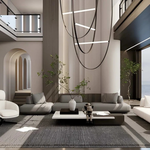

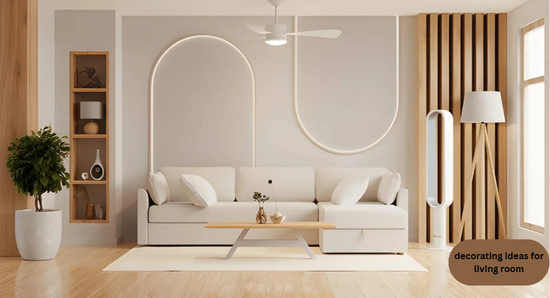
Decorating Ideas for Living Room That Feels Cozy and Stylish combines a limited color palette, furniture sized to the room’s real dimensions, and three layered light sources. Rental-safe versions swap paint and nails for tension rods and adhesive strips.
Smaller floor plans and a growing renter population are changing what decorating ideas for living room spaces actually need to solve. The most useful decorating ideas for living room layouts in 2026 combine color, furniture scale, lighting, and rental safe materials instead of treating each as a separate project, and designmode24 interior design consultations run into the same three problems on nearly every small room project.
A cohesive living room mixes a limited color palette, furniture sized to the room’s actual dimensions, and layered lighting instead of one overhead fixture. Rental friendly versions of the same ideas swap paint and drilled hardware for tension rods and adhesive strips.
Key takeaways
- Room width, not room length, should set sofa size. A sofa wider than 65 percent of the shortest wall usually blocks the two walking paths a small room needs.
- Renter households reached 46.1 million in 2025, a record high reported by the Census Bureau, so damage free decorating methods now apply to more living rooms than in prior years.
- A 60-30-10 color ratio keeps small rooms from feeling flat or cluttered.
- Layered lighting, meaning ambient, task, and accent sources together, changes a room’s mood more than any single furniture purchase.
- Furniture scale, not paint color, causes most budget layout mistakes in small rooms.
What Makes a Living Room Feel Cozy and Stylish
Decorating Ideas for Living Room That Feels Cozy and Stylish when the furniture scale matches the room, lighting comes from at least three sources, and color stays within three tones. Warmth comes from texture and lighting temperature, while style comes from restraint rather than more objects.
Rooms under 200 square feet look cluttered fast because every extra item removes needed floor space. Fewer, larger pieces outperform several small accent pieces.
Choosing a Color Palette That Works With Natural Light
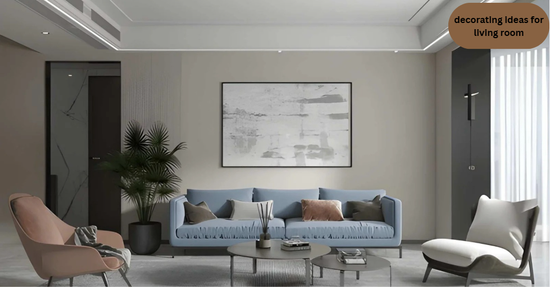
In interior design, north facing living rooms need warmer wall tones because they receive cooler, bluer daylight most of the day. South and west facing rooms can support cooler grays and greens without feeling sterile. Testing a paint sample for 48 hours in morning and evening light prevents the most common color mistake among first time decorators. For more room-by-room color guidance, you can explore the ideas at www.designmode24
What is the 60-30-10 rule
The 60-30-10 rule assigns 60 percent of a room to a dominant color, 30 percent to a secondary color, and 10 percent to an accent used in pillows or art. This ratio keeps a small living room visually calm because the eye processes no more than three tones at once. designmode24 design consultations use this ratio as a starting point before adjusting for existing furniture.
Laying Out a Narrow 10 by 12 Foot Room on a Budget
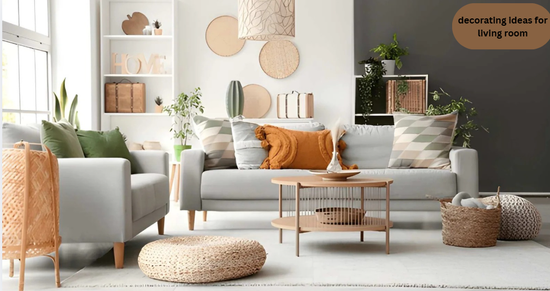
A narrow 10 by 12 foot living room fits a sofa, one accent chair, and a coffee table if the sofa stays under 78 inches and both walking paths stay at least 30 inches wide. Renters searching for how to layout a narrow 10×12 living room on a budget usually need that exact sofa measurement rather than general advice. Placing the sofa against the longest wall, rather than centering it, frees the most usable floor space.
Sofa width should not exceed roughly 65 percent of the room’s shortest wall, or about 78 inches in a 10 foot wide room. That threshold is not a widely published figure. It comes from applying the National Association of Home Builders’ minimum 30 inch clearance guideline twice, once per side, then checking the furniture footprint left inside a 120 inch wide room. Published layout guides recommend walking paths without stating what that does to maximum sofa width, which is the gap this calculation fills.
Materials That Avoid Rental Wall Damage
Rental decorating without damage relies on adhesive strips rated for at least five pounds, tension rods for curtains, and peel and stick materials for accent walls instead of paint or nails. Anyone researching how to decorate a rental apartment without damage should match the strip’s weight rating to the item being hung, since packaging lists that number directly.
Renter households reached a record 46.1 million in the United States in 2025, according to Census Bureau data cited by Chandan Economics, up nearly 2 percent from the prior year. That figure is separate from the 35 percent share of all occupied housing units renters represented in Q2 2025, since one number tracks total renter households and the other tracks their share of overall housing stock.
Landlords can withhold a security deposit for damage beyond normal wear, so testing adhesive products on a hidden wall section first avoids disputes when moving out.
Textiles and Lighting That Add Warmth
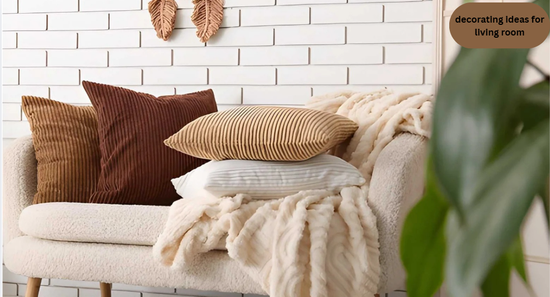
A wool or cotton rug over hard flooring, a knit throw across a sofa arm, and two mixed pillow textures add warmth without repainting anything. A rug sized too small for the seating area is the most common textile mistake, since it should reach under the front legs of every major piece of furniture. For more layering ideas that suit real homes, DesignMode24 shares practical textile guidance worth bookmarking.
Ambient light, task light, and accent light together work better than one ceiling fixture. Warm white bulbs rated between 2700 and 3000 Kelvin suit most living rooms better than daylight rated bulbs, which read closer to office lighting. If you want help matching bulbs to a specific room, you can contact designmode for lighting and layout advice.
DIY Decorating Versus Hiring a Designer
| Factor | DIY Decorating | Hiring a Designer |
| Typical cost for a 10×12 room | 400 to 1,200 dollars | 1,500 to 4,500 dollars |
| Timeline | 2 to 6 weeks, part time | 3 to 8 weeks, full service |
| Best for | Renters, small budgets, simple layouts | Full furniture replacement, structural changes |
| Risk of costly mistakes | Higher without measurement planning | Lower, professional measurement included |
DIY decorating suits rental apartments and single room refreshes. A designer becomes more cost effective once a project involves custom furniture or multiple rooms.
Common Layout Mistakes in Practice
Placing a large sectional against the shortest wall is the most frequent mistake in narrow rooms, since it blocks both walking paths at once and forces diagonal movement. Buying a rug sized to the room rather than the seating group is the second most common mistake, since it leaves furniture floating without a visual anchor. If you are setting up a space for the biggest sporting event of the year, keep the seating group compact so everyone has a clear view and a clear path to the snacks.
There is one exception to the sofa width guidance above. Open concept living rooms that flow directly into a dining or kitchen area do not need the same dual path clearance, because traffic can route around the seating area rather than through it. In those layouts, sofa width can safely exceed 65 percent of the adjacent wall. Planning the layout is easier with tools tech options like room planners and measuring apps, and the right setup inside home keeps the whole room flowing smoothly.
Frequently Asked Questions
What is the best layout for a small living room
The best layout for a small living room places the largest piece of furniture against the longest wall and keeps at least one 30 inch walking path open. Floating furniture away from walls only works in rooms larger than about 150 square feet.
How much does it cost to decorate a living room on a budget
A budget refresh for an average 10×12 room typically costs between 400 and 1,200 dollars when reusing existing furniture and focusing on paint, textiles, and lighting. Costs rise once new furniture or structural changes are involved.
Can you decorate a rental living room without losing your deposit
Yes, removable adhesive products rated for the item’s weight, tension rods instead of curtain hardware, and peel and stick wall treatments avoid the damage that typically triggers deposit deductions. Testing products on a hidden wall section first reduces risk further.
How many pieces of furniture should a small living room have
A small living room under 200 square feet typically supports one sofa, one accent chair, one coffee table, and one storage piece without feeling crowded. A second seating piece usually means removing or shrinking the coffee table.
Conclusion
A cozy, stylish decorating ideas for living room comes down to a few smart decisions rather than a big budget. Furniture sized to the room, a limited color palette, and layered lighting do more than any single purchase.
Here is what to remember:
- Size the sofa to the room: Keep it under roughly 65 percent of the shortest wall so both 30 inch walking paths stay open.
- Follow the 60-30-10 rule: One dominant color, one secondary color, and one accent keep a small room calm.
- Layer your light: Combine ambient, task, and accent sources with warm white bulbs between 2700 and 3000 Kelvin.
- Add warmth with textiles: A properly sized rug, a knit throw, and mixed pillow textures work without repainting.
- Protect your deposit: Use adhesive strips, tension rods, and peel and stick materials, and test them on a hidden wall section first.