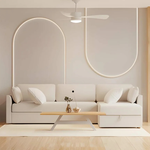

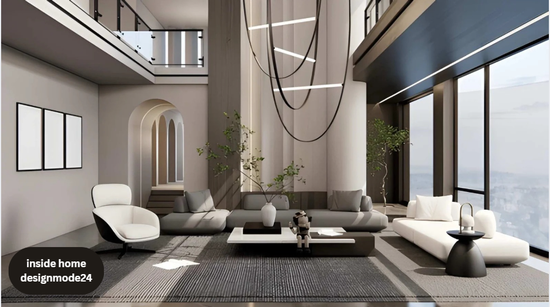
Inside home designmode24 is a collection of modern home design ideas, and the best way to use them is to plan the layout first, budget by room, and light the space before decorating. Doing it in that order cuts rework, which Houzz’s 2026 study links to scope creep and upgraded materials.
Key Takeaways
- Layout comes before any purchase, because furniture, lighting, and walking paths all depend on it.
- According to Houzz’s 2026 U.S. Houzz & Home Study, the median amount spent on renovations in 2025 was $20,000. Kitchens came in at $24,000 and living rooms at $5,000.
- ENERGY STAR reports that certified LED bulbs use 70 to 90 percent less energy than incandescent bulbs and last up to 25 times longer.
- Houzz links scope expansion in the middle of a project (31 percent) and upgraded materials (35 percent of homeowners) to budget overruns.
- Swapping ten 60-watt bulbs for 9-watt LEDs saves about $96 a year at an average residential rate of 17.16 cents per kilowatt-hour.
What Is Inside Home DesignMode24?
It’s the set of modern home design ideas, room guides, and decorating tips published on the DesignMode24 design site.
Those ideas sit in four areas: layout, budget, lighting, and technology. Public data can back up the numbers in each one.
How Do You Plan a Modern Home Layout?
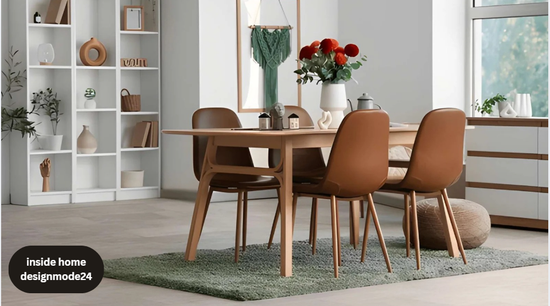
Start from how you use each room, not from the furniture you want to buy. Modern layouts keep sightlines open, walking paths clear, and give every zone one main job.
Work through these steps in order:
- Measure the room and mark windows, doors, and outlets on a sketch.
- Give each zone one job, like seating, dining, or working.
- Leave a clear path between zones before any large piece goes down.
- Place the biggest item first. That’s usually the sofa, bed, or dining table.
- Add three layers of light: ambient, task, and accent.
- Choose rugs, art, and accessories last.
Why Does the Order Matter?
Early decisions are hard to undo, and late ones cost almost nothing. A pillow moves for free. A ceiling light means an electrician.
Starting with the layout also shows problems before you spend money. A door that hits a table or an outlet behind a wardrobe shows up on paper first.
How Do You Make a Small Room Feel Modern?
Use fewer, larger pieces and keep the floor visible. One big sofa looks cleaner than three small chairs.
Wall-mounted shelves and sconces free up floor space and keep paths open. When a designmode24 photo shows a huge room, scale the idea down to your own measurements.
How Much Should You Budget for Each Room?
Budgets vary a lot by room. In the 2026 U.S. Houzz & Home Study, published in April 2026, the median 2025 spend was $24,000 for kitchens and $5,000 for living rooms.
| Room | Median spend in 2025 |
| Kitchen | $24,000 |
| Primary bathroom | $15,000 |
| Guest bathroom | $7,000 |
| Living room | $5,000 |
| Laundry room | $3,000 |
| Dining room | $2,500 |
| Home office | $2,000 |
These are medians from Houzz users who renovated, so half spent more and half spent less. They show what people spent, not what a room should cost.
Across all projects, the median renovation spend was $20,000 in 2025. Homeowners planned a median of $15,000 for 2026. The first figure is actual spending and the second is a plan, so don’t mix them.
Use the medians as a yardstick. If your living room plan lands far above $5,000, find the line item pushing it there. Run any designmode design idea through the same check: price it, then compare it with the median.
Why Do Renovations Go Over Budget?
Houzz points to two causes: upgraded materials and a bigger scope. Thirty-five percent of homeowners go over by choosing higher-end materials than planned, and 31 percent expand the project mid-renovation.
Write down the materials list and the scope before work starts. Price every change after that point first, then approve it or drop it.
Which Lighting Choices Cut Costs in a Modern Home?
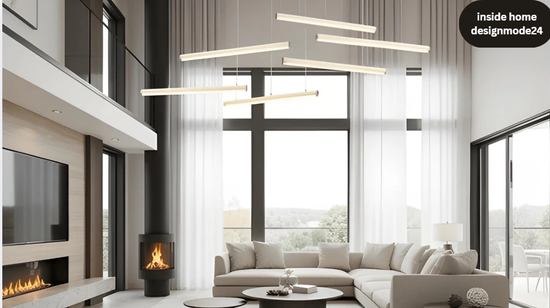
Certified LED bulbs cut lighting costs the most. ENERGY STAR reports that they use 70 to 90 percent less energy than incandescent bulbs and last up to 25 times longer.
Here is the math for ten 60-watt incandescent bulbs replaced with ten 9-watt LEDs, each running 3 hours a day:
- Watts saved per bulb: 60 minus 9 is 51, an 85 percent cut.
- Energy saved per bulb each year: 51 watts × 3 hours × 365 days is 55,845 watt-hours, or about 55.8 kilowatt-hours.
- Cost saved per bulb: 55.8 kilowatt-hours × 17.16 cents is $9.58 a year. The U.S. Energy Information Administration lists 17.16 cents per kilowatt-hour as the average summer 2025 residential price.
- Total for ten bulbs: about $96 a year.
This is arithmetic from stated assumptions, not a measured result. Real savings depend on bulb wattage, daily hours, and your local rate.
How Do Smart Tools and Technology Fit Modern Design?
Technology earns its place when it solves a layout or comfort problem you can name. Test any planner or device with three questions: does it accept exact room dimensions, does it show lighting, and does it produce a shopping list?
Readers comparing tools tech coverage with other planners can run the same three tests.
Houzz also notes that median expenditures on entertainment systems, water treatment, and ventilation are greater. Ventilation reached $600. Water treatment and entertainment systems each reached $1,500.
Entertainment spending ties to hosting. Game-day hosting is a layout problem: every seat needs a sightline to the screen and a path to the food. Any plan built around the biggest sporting event hosting comes back to that rule.
How Do You Apply These Ideas to Your Own Home?
Follow a fixed sequence: measure, budget, light, then decorate. Each step uses numbers from your own room.
- Measure: sketch every room with doors, windows, and outlets before you shop.
- Budget: compare your plan with the Houzz room medians, then write the scope down.
- Light: replace leftover incandescent bulbs with ENERGY STAR certified LEDs.
- Decorate: choose rugs, art, and accessories only after the first three steps.
Read every design source with the same discipline. When you read interior design designmode24 articles, check that dimensions, prices, and dates are named. Treat interior design photos as inspiration, then match each room to your own measurements.
Visitors to www.com can check any idea there against the Houzz and ENERGY STAR numbers in this article. To contact .com about feedback or partnerships, use the contact page on the site and state your topic in the first line.
The usual advice changes in a few cases. If your bulbs are already LEDs, the swap saves nothing, and lights that run under an hour a day stretch the payback. Electricity rates also vary by place. EIA data put Massachusetts residential electricity at 31.22 cents per kilowatt-hour in November 2025, so the same ten-bulb swap saves about $174 a year there. That figure covers a different month and region than the national summer average, so read it as an illustration, not a forecast. Renters should check lease terms before changing fixtures or walls.
Frequently Asked Questions
What topics does the site cover?
The site publishes modern home design ideas, room guides, and decorating tips for readers interested in home décor and interior design.
Layout, budget, lighting, and technology are the areas where public data can back up the advice, so those get the most numbers.
How much do homeowners spend on a renovation?
The median U.S. renovation spend was $20,000 in 2025, according to the 2026 U.S. Houzz & Home Study.
The top 10 percent of projects reached $150,000 or more. The survey covered more than 20,000 U.S. respondents, mostly Houzz users, so it reflects that audience.
Do LED bulbs really save money?
Yes, because certified LEDs draw far less power for the same light output.
ENERGY STAR puts the reduction at 70 to 90 percent. In the ten-bulb example that adds up to about $96 a year at 17.16 cents per kilowatt-hour, and the amount scales with your rate and hours of use.
What should you do first when redesigning a room?
Measure the room and sketch where doors, windows, and outlets sit before buying anything.
Those marks decide where furniture and lights can go. Decor comes last because it is the cheapest layer to change.
Why do renovations go over budget?
Most overruns trace back to upgraded materials and expanded scope, according to Houzz.
In the 2026 study, 35 percent of homeowners chose higher-end materials than planned and 31 percent expanded the project mid-renovation. A written scope approved before work starts closes both gaps.
Conclusion
Applying inside home designmode24 ideas works best in a fixed order: layout, budget, lighting, then decor. Houzz’s 2026 data shows where renovation money goes, and ENERGY STAR data shows where small upgrades pay back. Follow the numbers and a modern home comes together without costly rework.