
A lot of people think building a smart home means filling every room with gadgets. Then they actually try living that way and realize half the stuff is unnecessary. Too many apps. Too many notifications. Too many things needing updates all the time. That is usually when people start looking for contact designmode24 com because they want ideas that feel practical instead of overdone.
Most homeowners are not trying to turn their house into a science project. They just want things to work better.
Key Takeaways
- Smart homes work best when they solve small daily problems instead of adding more technology.
- Good lighting, temperature control, and simple security upgrades matter more than flashy gadgets.
- The most comfortable smart homes usually feel calm and natural, not overly automated.For modern layouts and practical smart living ideas, many homeowners now explore contact designmode24 com before starting renovations.
I noticed this shift a lot over the past year. People are getting tired of “showpiece” homes that look impressive online but feel stressful in real life. A homeowner I spoke with in Dallas said something that stuck with me: “I wanted a smarter house, not another full-time job.” Honestly, that explains the whole trend pretty well.
What People Are Really Looking For When They Search Contact Designmode24 Com
Most people searching contact designmode24 com are trying to figure out how to make their homes feel more modern without making them harder to manage. They want useful ideas. Better layouts. Smarter lighting. Less wasted energy. More comfort.
Not endless gadgets.
That difference matters because smart home advice online often feels disconnected from how people actually live. A lot of articles push expensive systems that sound exciting for five minutes and annoying after five months.
Real homeowners usually care about simple things instead:
- Lower electricity bills
- Better nighttime lighting
- Safer entrances
- Less clutter
- Easier routines
- More comfortable rooms
That is why smart home design has changed a lot recently.
According to Statista’s 2025 smart home report, energy savings and security are now bigger priorities than entertainment features for most homeowners in the U.S. Deloitte’s 2024 connected living survey showed something similar. People are becoming more selective with technology. They want things that genuinely improve daily life.
And honestly, that is probably healthier.
Most Smart Homes Fail for One Simple Reason
People try to do too much too fast.
They buy smart speakers, cameras, automated blinds, lighting systems, smart locks, and appliances all at once. Then they realize none of it feels smooth together.
I saw this happen with a couple in Phoenix who spent thousands setting up voice automation across their home. A few months later, they barely used most of it. They said regular switches were simply faster when rushing around in the morning.
People don’t realize how prevalent that narrative is.
The homes that actually feel good to live in are usually simpler.
That is one reason designmode24 design ideas feel more grounded than a lot of trendy inspiration pages online. The focus is not on making every corner look futuristic. It is about creating spaces that feel easier to use every day.
And those two things are really different from one another.
The Best Smart Features Are Usually the Quietest Ones
Nobody talks about this enough.
The smart home upgrades people end up loving most are usually the ones they stop noticing after a while.
Things like:
- Motion lights in dark hallways
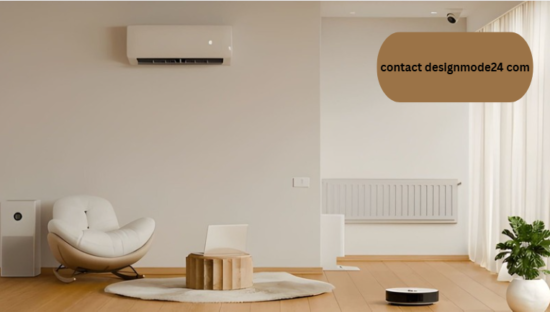
- Smart thermostats adjusting temperatures quietly
- Hidden charging drawers in the kitchen
- Soft lighting under cabinets at night
- Automatic outdoor lights for safety
None of these things are dramatic. But they remove small frustrations people deal with every single day.
That is what good smart design actually looks like.
Not giant touchscreens on every wall.
Just less friction.
I remember visiting a renovated townhouse in Seattle where the owner added simple layered lighting throughout the home instead of expensive automation everywhere. At night, the place felt calm and comfortable without trying too hard. Honestly, it felt better than homes packed with complicated systems.
Smart Home Design Starts With the Layout First
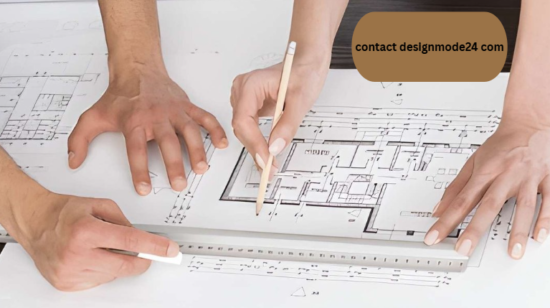
This is the part most people skip.
Technology cannot fix a bad room layout.
A lot of homeowners spend money on gadgets before thinking about airflow, storage, lighting placement, or furniture arrangement. Then they wonder why the house still feels uncomfortable.
I have seen people install expensive smart lighting in rooms that barely get natural light because the furniture blocks half the windows. Others buy cooling systems without fixing insulation problems first.
The smarter move is solving the actual problem underneath.
That is where designmode24 interior design ideas make more sense because the focus is not only technology. It is about how a space feels when you actually live inside it every day.
Sometimes moving furniture improves comfort more than buying another device.
People forget that.
Why Energy Efficiency Is Becoming a Bigger Deal
Electricity costs are pushing more homeowners toward smarter planning now.
The International Energy Agency reported in 2025 that smart energy systems can help reduce unnecessary household energy waste when used properly. That matters because many homes waste energy through simple habits people barely notice.
Lights stay on too long. Rooms cool unevenly. Heat builds up during afternoons because of poor window coverage.
More people benefit from small adjustments than they realize.
One homeowner I talked with in Tampa lowered summer cooling costs just by combining automated blackout curtains with a smart thermostat schedule. Nothing fancy. But the house stayed cooler without the air conditioning constantly running.
Those are the kinds of upgrades people actually appreciate long term.
Not every smart home improvement needs to feel dramatic.
The kitchen is subtly evolving into the most intelligent space.
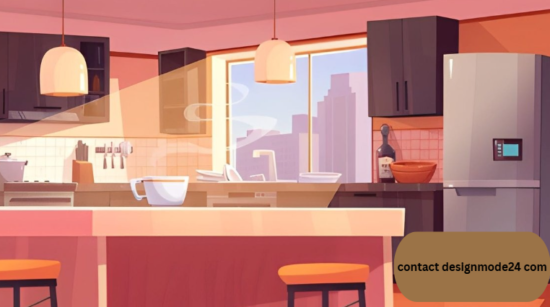
When you consider it, it makes logic.
One of the busiest areas of the house is the kitchen. Even tiny improvements there make daily routines easier.
Some practical upgrades people genuinely use:
| Feature | Why People Like It |
| Motion-sensor faucets | Helpful when cooking with messy hands |
| Under-cabinet lighting | Softer lighting at night |
| Hidden charging stations | Less clutter on counters |
| Smart appliance timers | Easier meal prep |
| Better ventilation systems | Keeps kitchens cooler |
One thing I keep hearing from homeowners is that they do not want kitchens overloaded with visible technology anymore. They want clean spaces that still feel warm.
That balance matters.
A smart kitchen should still feel like a kitchen, not a control room.
Security Matters, But Nobody Wants Their House Feeling Tense
This is another area where smart homes changed recently.
People still want security, obviously. But they also want peace.
Earlier smart homes sometimes felt overly aggressive with cameras and alerts everywhere. Now homeowners prefer quieter systems that blend into normal life.
Popular upgrades include:
- Video doorbells
- Outdoor motion lighting
- Remote lock systems
- Garage alerts
- Quiet indoor sensors
The best security systems are usually the least noticeable ones.
And honestly, that approach feels more human too.
Nobody wants constant notifications making their home feel stressful all day.
Final Thoughts
A smart home should make life easier. That sounds obvious, but a lot of people lose sight of it once they start chasing trends online.
That is why more homeowners searching for contact designmode24 com are focusing on comfort, energy savings, better layouts, and simple automation instead of trying to copy flashy internet setups.
And in my opinion, that is the smarter direction overall.
Start small. Fix the daily annoyances first. Focus on the rooms you use the most. Once those spaces feel better, everything else becomes easier to plan later.
Most of the time, the best smart homes are not the most expensive ones.
They are the ones that simply feel good to live in.