

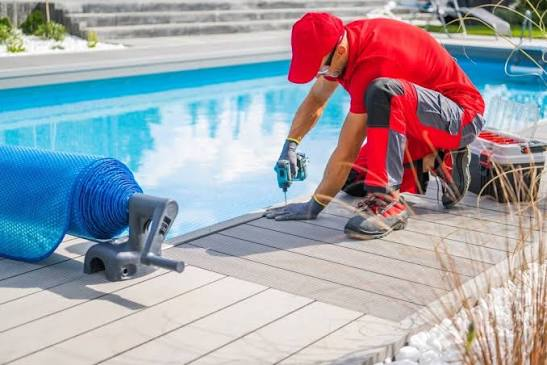
A freshly resurfaced swimming pool can completely transform your outdoor space. The new surface looks cleaner, feels smoother, and can help protect the pool structure for many years. However, the first few weeks after swimming pool resurfacing are especially important. Improper water chemistry, inadequate brushing, or starting the equipment too soon may affect how the new finish cures.
Following the correct maintenance routine helps prevent stains, rough patches, scaling, discoloration, and premature surface damage. Whether your pool was finished with plaster, quartz, pebble, or another material, these practical steps can help protect your investment.
Follow the Contractor’s Pool Start-Up Instructions
The company that completed your swimming pool resurfacing should provide start-up instructions based on the material used. Follow those directions carefully because each finish may have slightly different curing and chemical requirements.
Some pool finishes require the pool to be filled continuously without interruption. Stopping the water before the pool is completely full may leave a visible line on the new surface. Once filling begins, allow the water to run until it reaches the recommended level, which is usually around the middle of the skimmer opening.
Do not enter the pool, turn on a heater, or add chemicals until the contractor confirms that it is safe to do so.
Brush the New Pool Surface Regularly
Brushing is one of the most important maintenance tasks after swimming pool resurfacing. During the curing process, plaster-based finishes may release fine dust into the water. This material can settle on the pool floor and walls if it is not removed.
Brush the entire pool at least twice a day during the first seven days. After the first week, brushing once a day may be sufficient until the finish has completed its initial curing period.
Use a brush recommended for your pool surface. Nylon brushes are generally suitable for most finishes, while some plaster surfaces may require a combination brush. Pay extra attention to corners, steps, benches, drains, and areas with limited circulation.
Regular brushing helps produce a smoother, more consistent finish while reducing the risk of mineral buildup.
Keep the Pool Pump Running
Proper water circulation helps distribute chemicals evenly and removes dust created by the new surface. Many contractors recommend running the circulation system continuously for the first 48 to 72 hours after filling the pool.
After the initial start-up period, the pump may operate on a normal schedule. Depending on the pool size, weather, and equipment, this may mean approximately eight to twelve hours per day.
Check the filter frequently because plaster dust can cause pressure to rise faster than usual. Clean or backwash the filter when the pressure increases by approximately 20% to 25% above its normal starting level.
Good circulation is particularly important during warm weather, when algae and chemical imbalances can develop more quickly.
Test and Balance the Pool Water
New pool surfaces can affect water chemistry as they cure. Testing the water daily during the first two weeks allows you to identify changes before they damage the finish.
Important levels to monitor include:
- pH
- Total alkalinity
- Calcium hardness
- Free chlorine
- Cyanuric acid
A commonly recommended pH range is between 7.2 and 7.6. Total alkalinity is often maintained between 80 and 120 parts per million, although the ideal range may depend on the finish and sanitizing system.
Calcium hardness also requires close attention. Water with insufficient calcium may pull minerals from the new surface. Water with excessive calcium can create scaling and cloudy deposits. Always follow the resurfacing contractor’s recommended chemical targets rather than relying on a general pool-care schedule.
Add Chemicals Carefully
Never pour concentrated chemicals directly onto the new pool surface. Undissolved chlorine, acid, or other products can create stains, bleaching, or permanent surface damage.
Add chemicals separately and allow sufficient circulation time between treatments. When required, pre-dissolve products according to the manufacturer’s directions. Avoid mixing different pool chemicals together.
During the initial curing period, chlorine may need to be introduced gradually. Large amounts of chlorine should not be added unless instructed by a pool professional.
Delay Saltwater System Activation
For saltwater pools, avoid adding salt or activating the salt chlorine generator immediately after swimming pool resurfacing. Many new surfaces need approximately 28 days to cure before salt can be introduced, although the exact waiting period depends on the finish manufacturer.
Adding salt too soon may cause discoloration, scaling, or other curing problems. During the waiting period, the pool can usually be sanitized with carefully controlled liquid chlorine.
Confirm the required timeline with both the resurfacing contractor and the equipment manufacturer.
Avoid Automatic Pool Cleaners at First
Automatic cleaners may leave wheel marks, tracks, or scratches on a surface that has not fully hardened. Avoid using robotic, suction-side, or pressure-side cleaners during the early curing period.
Manual brushing and careful debris removal are safer during the first few weeks. A contractor may recommend waiting two to four weeks before using an automatic cleaner.
When removing leaves or other debris, use a pool net gently and avoid dragging equipment across the new finish.
Prevent Leaves, Dirt, and Metal Stains
Organic debris can stain a new pool surface when it remains in the water for too long. Remove leaves, insects, twigs, and dirt as soon as possible.
Metal levels should also be monitored, especially when the pool is filled with well water. Iron, copper, and manganese may react with chlorine and create brown, green, or black stains. A professional water test can determine whether a metal-control treatment is needed.
Keeping the surrounding deck clean can also reduce the amount of dirt entering the pool.
Wait Before Heating the Pool
Pool heaters should normally remain off during the initial curing period. Higher water temperatures can increase chemical reactions, alter water balance, and contribute to scaling.
Wait until the resurfacing company approves heater use. The waiting period may range from several days to a few weeks, depending on the surface material and start-up process.
Continue Long-Term Pool Maintenance
Once the initial curing period ends, regular maintenance becomes the key to protecting the resurfaced pool. Test the water at least once or twice per week, brush the walls regularly, empty the skimmer baskets, clean the filter, and maintain consistent circulation.
Schedule a professional inspection if you notice unusual discoloration, persistent cloudiness, rough areas, cracking, or rapidly changing water chemistry. Addressing small problems early can prevent expensive repairs.
Protect Your Swimming Pool Resurfacing Investment
Professional swimming pool resurfacing can improve the appearance, comfort, and durability of your pool. However, the quality of the finish also depends on how the pool is maintained after the project is completed.
Consistent brushing, balanced water chemistry, proper circulation, and careful equipment use will help the new surface cure evenly. By following the contractor’s instructions and maintaining a regular pool-care schedule, you can enjoy a cleaner, smoother, and more attractive swimming pool for years to come.