
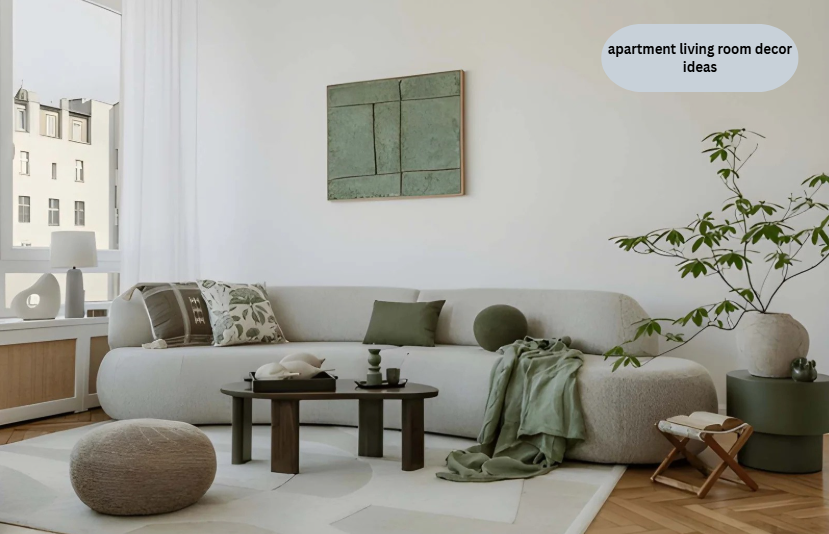
The best apartment living room decor ideas start with the floor plan, then add layered lighting, one large rug, and removable wall art. Fix the layout first because furniture that blocks a path will ruin any styling. Lighting comes second, since bulbs and lamps change the room faster than paint. Wall art and textiles finish the look, and every one of them can be taken down at move-out.
The condition that changes the answer most is your lease. Most small living room ideas assume you can paint and drill, and many leases ban both, so read yours before you buy anything.
Pick your starting move in one glance
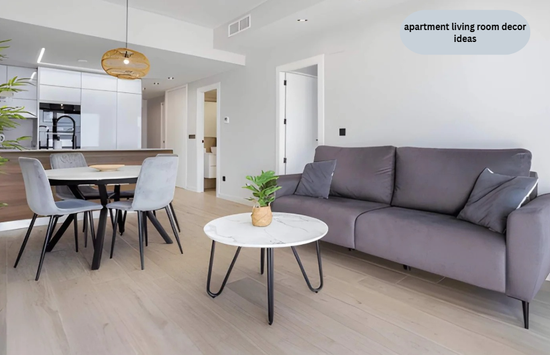
Your living room layout and your lease decide which fix comes first.
| Your situation | Short answer |
| You can’t drill or paint | Use plug-in lamps and sticky strips to hang light art. |
| The room feels dark | Add lamps at different heights and switch to LED bulbs |
| The room feels cramped | Clear a main path, then cut or lift furniture before adding accessories |
| You have almost no budget | Rearrange the furniture, swap bulbs, then add pillows |
| You want inspiration first | Search design designmode, save three rooms, and copy only their proportions |
Use apartment living room decor ideas that leave no marks
The best living room decorating ideas for rentals are the ones that leave with you at move-out.
- A large rug under the front legs of your sofa and chairs pulls the seating into one zone.
- Lamps at two or three heights beat a single ceiling fixture, because they let you light only the area in use.
- The U.S. Residential LEDs can live up to 25 times longer than incandescent lights and consume at least 75% less energy, according to the Department of Energy.. It’s one of the cheapest changes you can make inside home spaces you can’t repaint.
- 3M says four pairs of its large Command picture hanging strips hold 16 pounds, on frames up to 24 by 36 inches. Anything heavier should sit on a shelf or lean on the floor.
- Pillows and a throw add color, and you can swap them by season.
- A leaning floor mirror across from the window bounces daylight without a single hole.
Compare the expense, effort, and move-out risk of each move
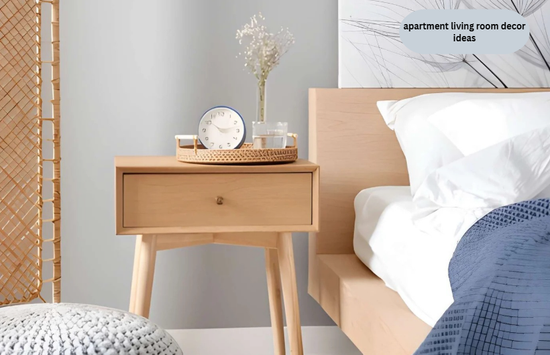
Rearranging and relighting give the biggest change for the least money and risk.
| Move | Cost | Effort | Move-out risk |
| Rearranging furniture | None | Low | None |
| LED bulbs and lamps | Low | Low | None |
| Pillows and throws | Low to medium | Low | None |
| Art on adhesive strips | Low | Medium | Low on smooth, painted walls |
| Large rug | Medium | Low | None |
| New sofa or media console | High | High | None, but it costs to move |
These ratings are relative, not price quotes, and prices vary by store and city.
A basic interior design rule explains that order. Settle the big, fixed-size pieces first, because small accessories can’t fix a blocked path.
Before you pay for delivery, test the sofa on screen. Free design tools tech, such as phone room planners, will show whether it fits.
Choose by budget, space, skill, and timeline
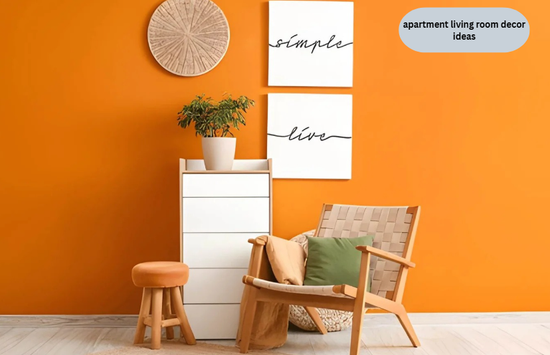
Select the move that best fits your tightest constraints, whether they be time, money, floor space, or talent.
- Budget: Harvard’s Joint Center for Housing Studies reports that 49% of renter households spent over 30% of their income on rent and utilities in 2024. A tight budget is common, so go in order: rearrange, relight, then buy.
- Space: To decorate a small living room, keep your main path at least 36 inches wide, the minimum clear width the U.S. Access Board sets for accessible routes. In a room 10 feet wide, that leaves 84 inches for the furniture beside it.
- Skill: With no tools or experience, stick to rugs, lamps, pillows, and strips.
- Timeline: With only a day to spare, rearrange and swap bulbs, because neither needs a delivery.
If you’re learning how to decorate a living room for the first time, do the free moves first and stop when the room feels finished.
Hosting changes the math. Run a designmode24 biggest sporting event style watch party test in your head: eight guests, one sofa, one TV, and a clear path to the snacks. If anyone has to climb over the coffee table, add poufs or stools that tuck away.
Budget your money and your weekend
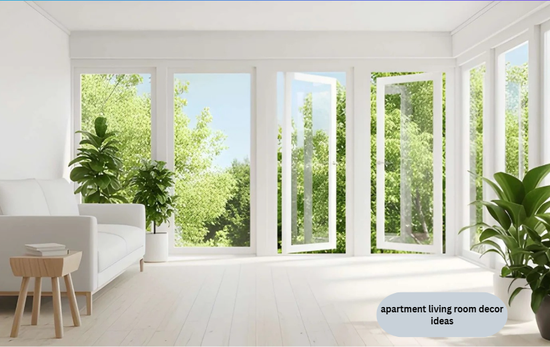
A first pass costs little, because the biggest gains come from the cheapest moves.
- Measure the room and rearrange the furniture. Cost: none.
- Add lamps and swap out the most utilized bulbs for LED ones. Cost: low.
- Hang light frames with adhesive strips. Cost: low.
- Add pillows and a throw. Cost: low to medium.
- Buy the rug, then any large furniture. Cost: medium to high.
Because LEDs last up to 25 times longer, bulbs you buy now can follow you to the next apartment.
Sketch your floor on paper and compare it with reference photos from www.designmode24 or anywhere else, writing each room’s dimensions beside its photo. That keeps you copying proportions, not just looks.
Pick one palette from a designmode24 design example and limit yourself to two main colors and one accent. A tight palette stops impulse buys that clash.
Know when this advice does not fit
These ideas assume a standard rental lease, so they change if you own, sublet, or plan structural work.
- You own the place. Drilling, painting, and stud-mounted shelves become fair game, and they can hold heavier art.
- Your walls are textured, brick, or wallpapered. 3M lists painted walls, tile, glass, and other smooth surfaces for its strips, so rough walls need leaned art instead.
- Your unit is larger or newer. New multifamily units started in the fourth quarter of 2025 had a median size of 1,048 square feet, according to the National Association of Home Builders’ analysis of Census data. That covers the whole unit, not the living room, and it leaves out older buildings.
No tip from DesignMode24 or any other source outranks your lease.
For structural work such as moving outlets or walls, hire a licensed pro. Before you contact designmode or any other designer, write down your measurements and lease rules.
Questions renters ask before they buy a single lamp
Can I decorate my apartment living room without painting or drilling?
Yes, a large rug, a few lamps, pillows, and light frames on adhesive strips can change a room without touching the paint. Stand heavy mirrors on the floor instead of hanging them. Save the drilling and repainting for a renovation that your landlord has permitted or for a house you own.
What wall color works best in a small apartment living room?
A light, warm neutral usually works best, because pale colors reflect more daylight and make a small room feel open. Add depth with one darker accent in pillows or a throw rather than on every surface. Check the color at night under your lamps, since artificial light changes how it looks.
How big should my living room rug be?
Pick a rug large enough that the front legs of your sofa and chairs rest on it. A rug that’s too small makes the seating look scattered and the room feel smaller. If that size won’t fit, buy a smaller rug and group the seating tightly around it.
Will adhesive strips damage my walls?
Strips are designed to come off cleanly when you stretch the tab slowly along the wall, but old or flaking paint can peel with them. Test one strip in a hidden spot first. Press each strip firmly for the time printed on the package.
Three moves to make this week
The strongest apartment living room decor ideas are the removable ones: a clear path, LED lamps at different heights, a large rug, and light art on adhesive strips. Fix the layout first, then the lighting, then the textiles. Check your lease before anything touches a wall.
- Tape a main path at least 36 inches wide on the floor, then move furniture until it stays clear.
- Swap your most-used bulbs for LEDs and add one lamp at a different height.
- Read your lease, then hang one light frame with adhesive strips rated for its weight.