

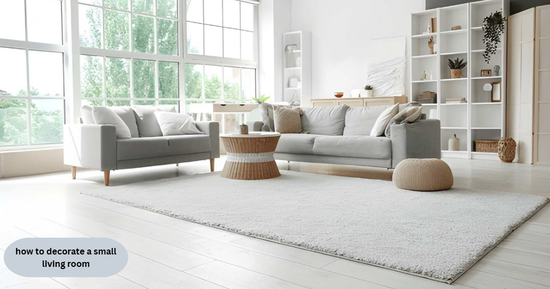
Here is how to decorate a small living room: measure it, keep a clear walkway, choose light walls, and layer your lighting. Those four moves shape the room more than any single piece of decor. Most cramped rooms are crowded by oversized furniture, so furniture size is the first thing to check. Get the plan right and a modest room can look intentional.
One measurement changes the answer more than any other: the length of the shorter wall. In an apartment living room, that number decides how deep the sofa can be and where the walkway can run. Measure it before you look at a single piece of furniture.
You’ll finish with a floor plan, a color scheme, and a lighting plan, and the only tool you need to start is a tape measure.
Measure the room and tape out your walkways
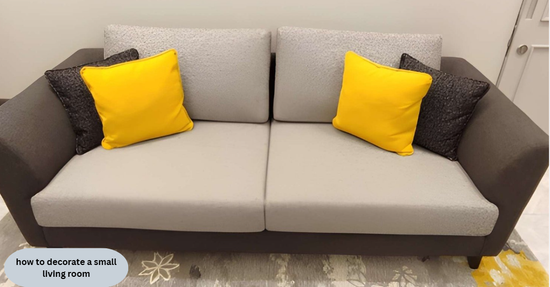
Start with a tape measure, because your wall lengths rule out most layouts before you spend a dollar. Note both walls, each door’s width, and how far every door swings.
Next, mark the floor with painter’s tape. Outline the sofa and rug at true size, then test living room layout ideas on the tape before you buy anything.
The International Code Council’s residential code sets a legal floor: a habitable room needs at least 70 square feet and no side under 7 feet. A 7 by 10 room just clears that bar. Passing code says little about comfort.
RentCafe’s 2025 analysis found that newly built apartments averaged 910 square feet, with one-bedrooms at 735. Those are averages for new units, and they cover the whole home. The living area is only a slice of that.
Keep one path at least 36 inches wide, the minimum the U.S. Access Board sets for walking routes in its ADA standards. Those rules cover public buildings, but the number is a handy benchmark at home.
Most movement inside home follows one line, from the door to the sofa to the window. Protect that line first.
Learn how to decorate a small living room with furniture sized to the floor
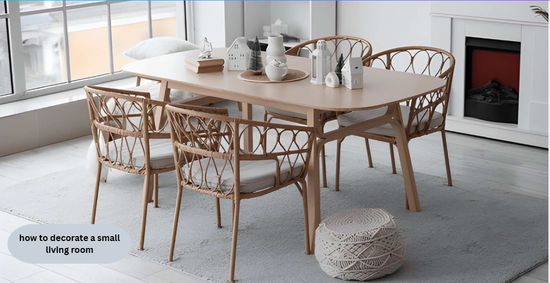
Buy furniture after the plan, and size each piece against the tape outline.
Take a 10 by 12 foot room, which is 120 square feet, with these assumed sizes:
- Sofa: 36 inches deep, on the long wall
- Coffee table: 20 inches deep, with 16 inches of space in front of the sofa
- Walkway: 36 inches wide on the far side
The sofa and table use 72 inches of the 120-inch width, leaving 48. The walkway needs 36, so you have 12 inches to spare.
Now swap in a 40-inch-deep sofa. The spare room drops to 8 inches. Add a 34-inch-deep armchair on the opposite wall and only 10 inches of path remain.
The armchair broke the room, so it moves to a short wall or becomes a pouf. Many small living room ideas online skip this arithmetic, because photos hide furniture depth.
Free room planners and other design tools tech let you test sizes on screen, though tape on the floor is the final check.
Paint light and keep the palette tight
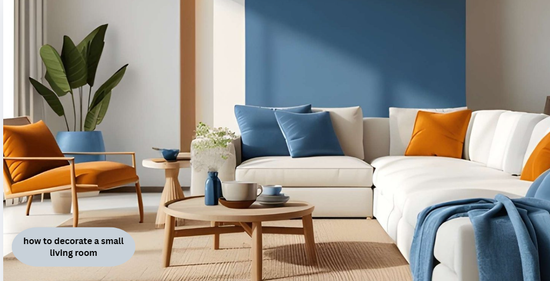
Light walls send more daylight back into the room, so a small space feels bigger and calmer.
On a scale from 0, which absorbs all light, to 100, which reflects all light, paint manufacturers provide a light reflectance value for every color.
Sherwin-Williams lists High Reflective White at 93 and Pure White at 84. Both sit near the top of the scale. The nine-point gap means the first returns slightly more light, which matters most in a room with one small window.
Pick one base color, one secondary, and one accent, then repeat them. Repetition is a basic move in interior design, and it keeps a compact room from looking busy.
If you save reference photos from designmode24 design or any other source, count the colors in each one before you copy the look.
Photographed rooms are usually staged and lit for the camera. Paint a sample patch on your own wall and check it in the morning and again in the evening.
Layer light at three heights
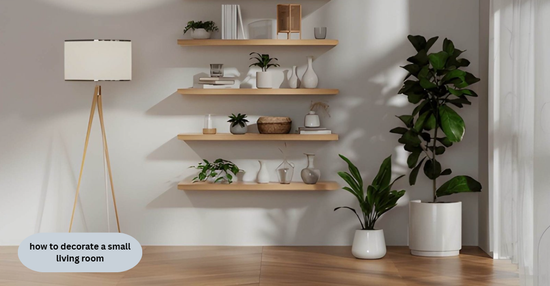
Use three layers of light: one overhead, one at table height, and one near the floor. A small space is flattened and its corners are left dark by a single ceiling fixture.
DesignMode24 recommends starting with lamps, because a lamp on a side table adds light without adding furniture.
Most ideas for living room lighting come down to one move: pull some of the light off the ceiling.
Use LEDs to power everything. Residential LEDs, particularly those with an ENERGY STAR rating, use at least 75% less energy than incandescent bulbs and can live up to 25 times longer, according to the U.S. Department of Energy.
In practice, a bulb that drew 60 watts as an incandescent should draw 15 or less as an LED. Three lamps cost little to run, so every corner can have its own light.
Choose bulbs with the same warmth printed on the box, so the layers read as one light.
Finish with walls, mirrors, and storage
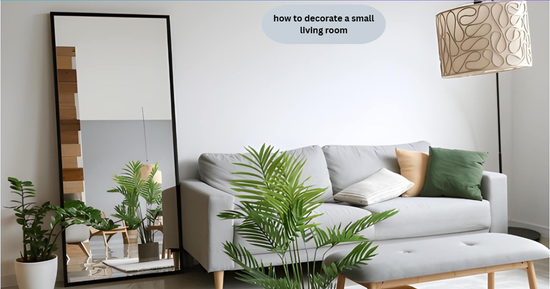
Finish the room in five steps, working from the biggest surface to the smallest.
Keep a phone album named design designmode for photos of rooms close to your size, and compare each step against it.
- Hang curtains high and wide, so the window looks larger and the wall looks taller.
- Place one large mirror across from the window, so it carries daylight deeper into the room.
- Hang one oversized piece of art instead of several small ones, which read as clutter in a compact room.
- Choose furniture with storage built in, such as a lidded ottoman or a console with drawers.
- Clear the coffee table and shelves until each holds only a few objects.
Choose decorating ideas that do two jobs, like an ottoman that seats a guest and stores blankets.
Fix the mistakes that make a small room feel smaller
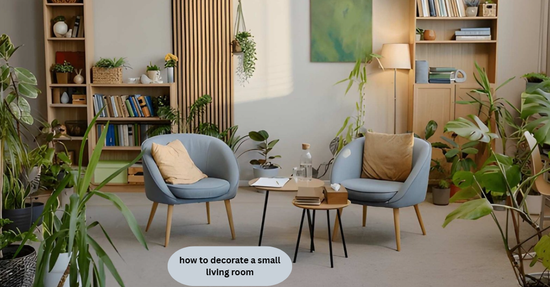
Most small-room problems come from five habits, and each one has a quick fix.
- Buying before measuring: tape every piece on the floor first.
- Add two bulbs at lower heights if you only have one ceiling light.
- Painting every wall dark in a dim room: save dark shades for one wall or for accessories.
- Scattering many tiny objects: group them into one or two larger arrangements.
- Blocking the window: keep the sill clear and hang curtains outside the frame.
Copying a photographed room is another trap. Browse sites such as designmode24.com for ideas, but compare each room’s size with yours before you copy it.
If a layout still won’t work, send photos and measurements when you contact designmode or another studio for a second opinion.
The process also bends in a room with very little daylight. Paint can’t return light that never arrives, so put your effort into lamps and a mirror, and accept a warmer, cozier feel.
Quick answers people ask about tiny living rooms
What color makes a small living room look bigger?
A light color with a high light reflectance value makes a small living room look bigger, because it sends more daylight back into the space. Soft whites and pale neutrals work best. Keep the trim and walls close in tone so the room’s edges don’t chop the space into pieces.
What is the ideal width for a living room walkway?
Aim for at least 36 inches. That is the minimum clear width the U.S. Access Board sets for walking routes, and it works as a practical target at home. Measure from the edge of the coffee table to the nearest wall or chair, because the narrowest point sets the real width.
Can a small living room appear larger with mirrors?
A mirror can make a small living room feel brighter and deeper, but it doesn’t add floor space. Hang it across from a window so it carries daylight into the room. A mirror facing a blank wall or a pile of clutter reflects very little worth seeing.
How can I update a rented living room without painting?
Change the lighting, textiles, and art. Most leases allow those changes, though you should check yours. Add two lamps, a large rug, and curtains hung high, then lean one big piece of art on a console or shelf. The look shifts, and everything moves with you.
Your next three moves
The surest way to learn how to decorate a small living room is to let measurements lead: size furniture to the floor, keep a 36-inch path, paint light, and light the room in layers. Do that, and the room looks planned instead of crowded.
- Measure both walls tonight and tape out your sofa and rug at true size.
- Check that one path through the room stays at least 36 inches wide.
- Paint a light sample patch on your wall and swap one overhead light for two lamps.

Pingback: How to Layout a Narrow 10x12 Living Room on a Budget: Smart Ideas
Pingback: Decluttering Checklist: 25 Smart Ways to Organize Your Home and Create a Clutter-Free Space
Pingback: Small Home Organization Ideas: Smart Storage Solutions to Maximize Space in Every Room