

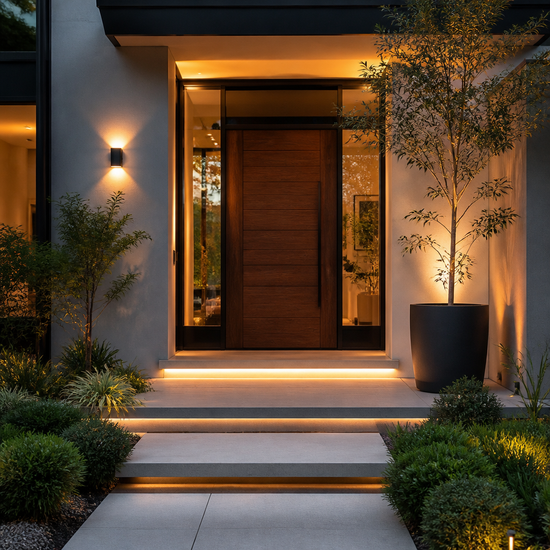
When people think about upgrading their home’s exterior, they often focus on landscaping, paint colors, or a new front door. But one of the most overlooked yet impactful details is the welcome sign — that small but powerful element that greets every visitor before they even knock. A well-chosen welcome sign does more than display a friendly word. It communicates your personal style, sets the tone for what lies beyond the threshold, and contributes meaningfully to your property’s curb appeal. Whether you’re settling into a new home or refreshing a long-established one, understanding how to choose and position this detail can make a surprising difference.
Curb Appeal Is More Than Landscaping
Curb appeal is the collective visual impression your home makes from the street. Most homeowners invest in lawn care, exterior lighting, and fresh paint — all of which matter enormously. But the finer details, the ones that signal intentionality and care, are what truly elevate a property from ordinary to memorable. A welcome sign is one of those finishing touches that pulls everything together. It signals that the homeowner has thought about the experience of arriving at their home, not just the structure itself.
Think of it this way: a beautifully maintained garden with a weathered, generic sign feels incomplete. Conversely, a modest but tidy exterior paired with a sleek, well-designed sign feels polished and intentional. The sign acts as a visual anchor for the entryway, drawing the eye and creating a sense of arrival.
The Design Language of a Welcome Sign
Design language refers to the visual vocabulary a product uses — its materials, proportions, typography, and finish. For welcome signs, this language should ideally echo the architectural style of your home. A craftsman bungalow might suit a sign with warm wood tones and serif lettering, while a contemporary home with clean lines and neutral tones calls for something more minimal and geometric.
Material Matters
The material of your welcome sign affects both its aesthetic and its longevity. Metal signs — particularly those made from powder-coated aluminum or stainless steel — offer durability against the elements while maintaining a crisp, modern appearance. Wood signs carry warmth and texture but require more maintenance in wet climates. Acrylic and composite materials offer versatility and can mimic the look of more expensive materials at a lower cost. When choosing, consider not just how it looks on day one, but how it will hold up after two or three years of sun, rain, and temperature changes.
Typography and Legibility
Typography is often underestimated in exterior signage. A font that looks elegant in a design mockup can become difficult to read at a distance or in low light. Sans-serif fonts tend to perform better outdoors because their clean lines remain legible even when scaled down. Script fonts can add personality but should be used sparingly and only when the letterforms are distinct enough to read quickly. The goal is immediate recognition — a visitor should be able to read your sign in a single glance.
Placement and Positioning for Maximum Impact
Even the most beautifully designed sign will underperform if it’s placed incorrectly. Positioning should account for sightlines from the street, the height of surrounding plants or structures, and the direction of natural light throughout the day. Signs mounted too high can be obscured by overhanging eaves, while those placed too low may be hidden by seasonal plantings. A general rule is to position your sign at eye level — roughly 5 to 6 feet from the ground — and ensure it’s visible from at least 20 feet away.
Pairing your welcome sign with complementary exterior elements also amplifies its effect. For example, coordinating the finish of your sign with your house numbers, mailbox, or door hardware creates a cohesive look that feels professionally designed rather than assembled piecemeal. For inspiration on how to coordinate your mailbox with other exterior features, explore these creative mailbox post ideas that can help tie your entryway together.
Welcome Signs and Property Value
It might seem like a stretch to connect a welcome sign to property value, but curb appeal has a measurable impact on how buyers perceive a home. First impressions form within seconds, and those impressions influence everything from the emotional response a buyer has during a walkthrough to the offer they ultimately make. If you’re preparing a property for sale or simply want to protect and grow your investment, exterior details deserve serious attention.
For those navigating the property market for the first time, understanding what makes a home feel welcoming and well-maintained is just as important as understanding the financial side of the transaction. If you’re considering a purchase in a competitive market, this guide to buying property in Saffron Walden offers practical advice for first-time buyers on what to look for and how to approach the process with confidence.
Modern House Numbers: A Brand Built Around Exterior Identity
Modern House Numbers has built its reputation on the idea that exterior signage should be as thoughtfully designed as anything inside the home. The brand offers a curated range of products that prioritize clean aesthetics, quality materials, and lasting durability. Their welcome signs are crafted to complement a wide range of architectural styles, from mid-century modern to contemporary farmhouse, without ever feeling generic or mass-produced.
What sets Modern House Numbers apart is their attention to the full exterior experience. Rather than treating each product in isolation, they design their signs, house numbers, and address plaques to work together as a cohesive system. This systems-thinking approach means that homeowners can create a unified exterior identity without needing a designer’s eye or a large budget.
Choosing the Right Sign for Your Home
A modern welcome sign is more than a decorative accessory — it’s a statement of how you present your home to the world. When selecting one, consider the overall palette of your exterior, the scale of your entryway, and the message you want to convey. A sign that feels too small will get lost; one that’s too large can overwhelm a modest entryway. Proportion is everything.
Also think about mounting options. Some signs are designed to hang from a bracket, others mount flush against a wall or post. The mounting style affects both the visual weight of the sign and the practical considerations of installation. Most quality signs come with hardware included, but it’s worth confirming this before purchasing, especially if you’re working with an unusual surface material like brick or stucco.
Conclusion: Small Details, Lasting Impressions
The exterior of your home is a canvas, and every element you choose contributes to the overall composition. A welcome sign may be one of the smaller pieces of that canvas, but its placement at the point of entry gives it outsized influence. It’s the first thing guests see and, in many cases, the detail they remember. Investing in a sign that reflects your taste, suits your home’s architecture, and holds up over time is one of the simplest and most rewarding upgrades you can make. Done well, it transforms an ordinary entryway into a genuine welcome.
