
Most American homes have a quiet problem. The furniture is there. The walls are painted. But the space never feels finished. And buying more things, the fix most people reach for, almost never solves it.
That is where www. designmode24. com comes in. The platform gives everyday homeowners practical, room-by-room decor ideas built around how people actually live. Not showroom spaces. Real rooms that feel good to come home to.
Why Most Rooms Feel Unfinished
The real issue is not money. It is ordered. People make decor decisions out of sequence and the room ends up feeling assembled rather than designed www. designmode24. com shares modern interior design ideas, stylish home decor inspiration, and creative living space concepts for every home.
designmode24 design starts with function, moves through layout and lighting, then materials and color, and arrives at accessories last. That sequence changes everything.
What rooms are usually missing:
- A cluttered living room needs better organization, not new furniture
- A chaotic kitchen needs cleared counters, not a renovation
- A dark hallway needs better lighting, not fresh paint
| Problem | Real Fix |
| Room feels cold | Rug, warm lamp, soft textiles |
| Space feels cramped | Vertical shelves, fewer pieces, mirrors |
| Room feels cluttered | Remove half the surface decor |
| Lighting feels harsh | Warm bulbs, dimmers, layered sources |
Fix the foundation before adding anything new.
Living Room Decor That Works

Rug size:
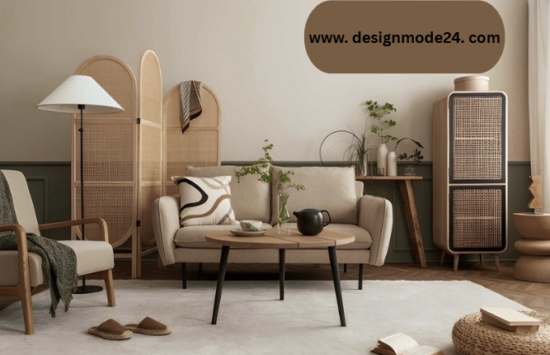
- The front legs of every sofa and chair should sit on the rug
- A rug floating in the center with nothing touching it disconnects the whole room
- Getting the size right is the single highest-return correction in most living rooms
Sofa placement:
- Pull the sofa six to twelve inches away from the wall
- Pushing it flush against the wall makes rooms feel smaller, not bigger
- A small gap creates a layered, considered look
Height variation:
- When all furniture sits at the same level the room reads flat
- A floor lamp, a tall plant, or open shelving at different heights gives the eye somewhere to go
Throw pillows:
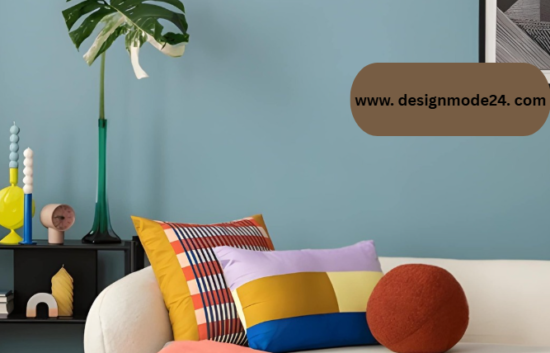
- Two or three colors already present in the room
- Two or three different textures is enough
- More than that looks like a store display, not a home
Focal point:
- Every living room needs one clear anchor, a TV wall, fireplace, or large window
- All seating should face it
- Furniture arranged against every wall with no orientation makes a room feel like a waiting area
www. designmode24. com brings living room guidance back to how people actually use the space, not how it photographs.
Bedroom Decor Built Around Rest
Light control:
- Blackout curtains or cellular shades come before any decorative update
- Sheer curtains look beautiful and block zero morning light
- If sleep matters, window treatments that work come first
Bedside lighting:
- A single overhead light at 4000K makes a bedroom feel clinical at night
- Two bedside lamps with 2700K bulbs on dimmers cost under fifty dollars to set up
- This one change shifts the room from functional to restful immediately
The wall above the bed:
- An empty wall above a headboard makes a bedroom feel unfinished faster than anything else
- A large framed print, three grouped smaller frames, or a simple shelf closes that gap
Color palette:
- Warm beige, dusty sage, muted terracotta, and soft linen white hold up well
- Too many competing colors in a bedroom make the brain hard to switch off
Floor clarity:
- Visual clutter at floor level undermines every other decision in the room
- Under-bed bins or a bed frame with built-in drawers solve this without adding furniture
designmode24 interior design approaches bedrooms from one question. How should the person sleeping here feel when they wake up? The design follows from that.
Kitchen Decor That Earns Its Place
Countertop clarity:
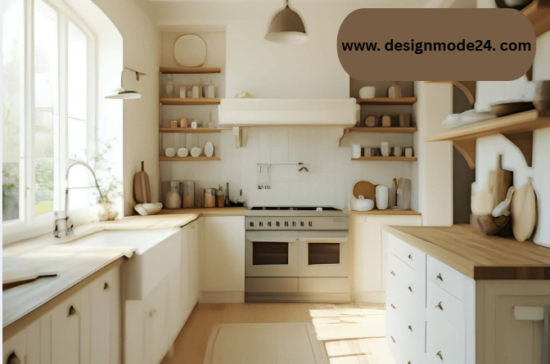
- Clear everything not used daily
- The blender used three times a year, the decorative bowl, the appliances blocking prep space
- A cleared counter makes even an outdated kitchen look significantly more considered
- This costs nothing
Hardware update:
- Replacing cabinet pulls and drawer knobs takes fifteen minutes
- Matte black modernizes a white kitchen instantly
- Brushed brass warms a gray one
- A full set of kitchen hardware runs thirty to eighty dollars
One living element:
- A plant on the windowsill, fresh herbs in a pot, or cut stems in a glass jar
- Something alive makes a kitchen feel inhabited rather than staged
- Two minutes to maintain, more warmth than most decorative objects
Task lighting:
- Most American kitchens have one flat overhead fixture
- Under-cabinet lighting or a pendant over the island changes how usable the workspace feels
- Good kitchen lighting is a function decision before it is a style one
Open shelving:
- Only works when what is displayed is consistent
- Matching plates, a few books, a plant, and simple canisters look clean
- Random mismatched items on open shelves look disorganized regardless of the shelf itself
Lighting as a System
Most American homes treat lighting as an afterthought. A room with good furniture and a solid color palette still feels wrong when the lighting is handled carelessly.
The three layers every room needs:
- Ambient light is the general overhead fill
- Task light serves specific activities like reading, cooking, or working
- Accent light adds depth and draws attention to art, shelves, and corners
- Most rooms have only the first layer
Why one overhead light fails:
- It casts light downward at a steep angle
- Creates harsh shadows and leaves corners dim
- The same room with a floor lamp, a table lamp, and the overhead dimmed reads completely differently
Bulb temperature:
- 2700K bulbs cast warm amber light suited for living rooms and bedrooms
- 4000K and above feels institutional in rooms meant for rest
- Swapping bulb temperatures costs nothing if you already own the right bulbs
Dimmers:
- A dimmer switch costs twelve to twenty-five dollars
- Installation takes fifteen minutes
- The ability to lower light at the end of the day transforms how a space functions
Color Without Overthinking
The three-level framework:
- Dominant color covers walls and large furniture
- Secondary color appears in textiles and smaller pieces
- Accent colors show in cushions, plants, and objects
- When these three relate to each other the room reads as cohesive
Start from something you already love:
- A rug, artwork, or textile you like already has colors that work together
- Pull wall paint, cushion colors, and accents from that single source
- Cohesion happens naturally because the palette already existed in something real
Test paint at scale:
- A two-inch chip does not show how a color behaves on a full wall
- Paint a twelve-by-twelve-inch swatch and leave it for two days
- Check it in morning light and again under evening lamps
Colors that hold up:
- Warm beige, muted sage, dusty olive, soft terracotta, and linen white rarely date badly
- Highly saturated or very trend-specific colors tend to feel dated within a few years
Www.designmode24.com grounds color advice in how colors actually behave in real rooms, not in styled photography that tells you nothing about your specific space.
Storage That Disappears
Go vertical:
- Shelving from floor to ceiling reads as architectural
- Creates storage without reducing floor area
- Even simple modular shelving in a continuous run looks more considered than standalone units
Use baskets:
- A woven basket under a console, on a shelf, or beside a sofa handles loose objects
- Contains clutter without hiding it in another room
- Adds texture and warmth at the same time
The under-bed zone:
- Twelve to twenty square feet of storage most people ignore
- A bed frame with built-in drawers or covered rolling bins handle it cleanly
- No additional furniture required
Entry hooks:
- Bags and coats piled on chairs is a storage problem, not a habit problem
- A simple row of hooks with a small bench below costs under fifty dollars
- It keeps the entry looking controlled every day
Decanting:
- Matching containers for dry goods in the kitchen
- Refillable bottles in the bathroom
- Uniform hangers in the closet
- These changes reduce visual noise without changing anything structural
Budget Decorating Done Right
Spend more on permanent elements:
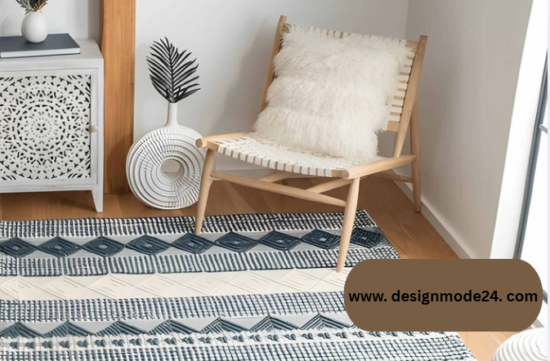
- The rug, lighting fixtures, and window treatments set the foundation
- A good rug under average furniture looks better than average furniture on a cheap rug
The best improvements cost nothing:
- Rearrange furniture to improve flow
- Remove half the objects from cluttered surfaces
- Pull the sofa from the wall
- Swap items between rooms to find where they actually work
Where low cost works well:
- Accessories, plants, and smaller objects from secondhand stores
- A branch in a tall ceramic jar looks the same as a purchased stem arrangement
- Printing your own artwork and framing it costs a fraction of retail
Where not to save:
- Bedding, the main sofa, and lighting are used every day
- Cheap versions of these wear out faster and cost more to replace over time
The 80-20 rule:
- Eighty percent of the budget on permanent elements
- Twenty percent on changeable elements like cushions, plants, and accessories
- Stable foundation, flexible surface layer
www. designmode24. com approaches budget decorating from the perspective of real households. The goal is not rooms that look expensive. It is rooms that feel considered, at whatever the budget is.
Final Thought
A well-designed home does not look like a showroom. It looks like the people inside it made thoughtful choices over time.Start with one room. Find the foundational problem first. Fix that before adding anything new. Then ask what the room needs next. Repeat with patience www. designmode24. com is the perfect place to explore modern home decor trends, elegant interior styles, and creative design inspiration.
That is how a house becomes somewhere you genuinely want to be.