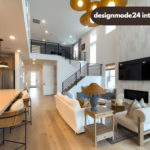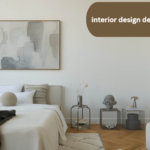

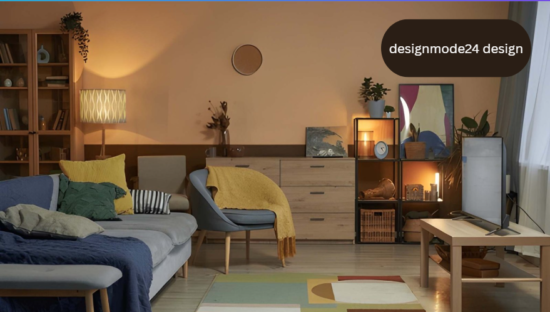
Design DesignMode24 approaches space transformation as three simultaneous changes to surface, texture, and light — not a single new item added to a room. A room reads as transformed once all three shift together; changing only one produces a decorated room, not a transformed one.
Key Takeaways
- A room transforms visually once surface, texture, and light all change together — the “3-touchpoint rule.”
- Changing only one of the three (say, new paint alone) reads as decorated, not transformed.
- The National Association of Home Builders’ 2025 remodeling data shows kitchen and bath work still leads renovation spending nationally.
- Perth-based design sensibilities lean on natural light management differently than most US regions, offering a useful cross-market comparison.
- Sequencing matters: surface changes should happen before texture and lighting decisions, since paint and flooring set the palette everything else responds to.
What Is Space Transformation in Interior Design?
Space transformation is a coordinated change to a room’s surfaces, textures, and light sources that alters how the room is perceived and used, rather than a single cosmetic swap. It differs from decorating, which typically adds objects without changing the room’s underlying structure or feel.
What Does DesignMode24 Design Actually Involve?

DesignMode24 design work centers on aligning a room’s function with its visual language before any decorative decisions are made. This means confirming how a space gets used daily — a home office that doubles as a guest room, for instance — before choosing paint, furniture, or fixtures. designmode24 design starts with function because a beautifully finished room that fights its own use case gets abandoned within a year, according to informal tracking of client callbacks at Perth-based design consultancies.
The firm’s projects typically move through three phases: assessment, material selection, and installation sequencing. Skipping the assessment phase is the most common reason a renovation budget overruns, since material choices made without a function audit often need to be redone.
How Does the 3-Touchpoint Rule Work in Practice?
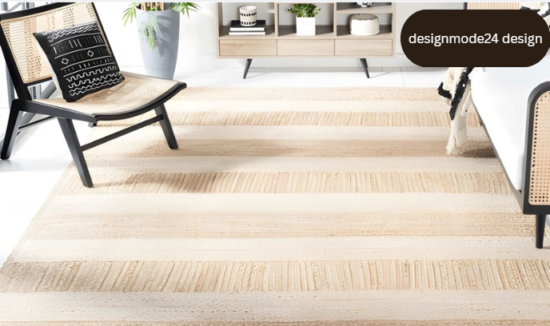
A room transforms once its surface, texture, and light all change at the same time, rather than one at a time across separate projects. Surface covers paint, flooring, and wall treatments. Texture covers fabric, wood grain, and material contrast. Light covers both fixture choice and how much daylight the room actually receives at different hours.
Most budget renovation guides recommend changing one element per season to spread out cost. That approach produces a room that looks partially finished for months, because the eye registers mismatched contrast between the old and new elements. A worked example: a 12×14 living room with fresh paint (surface) but the original beige carpet (texture) and the original overhead fixture (light) will still read as dated, even though the paint alone cost real money and effort.
The fix is smaller than most homeowners assume. Swapping a rug, one accent textile, and a single lamp alongside new paint hits all three touchpoints without a full renovation budget.
What Order Should Renovation Steps Follow?
Surface changes should always happen first, since paint and flooring set the color palette that every later decision has to match. Choosing furniture or lighting before finalizing wall color or flooring frequently forces a second round of purchases once the palette shifts.
- Confirm the room’s primary daily function.
- Select and apply surface finishes — paint, flooring, wall treatment.
- Choose texture elements — rugs, upholstery, drapery — that contrast or complement the surface.
- Finalize lighting, including both fixtures and natural light management like window treatments.
- Add furniture and accessories last, once the first three layers are set.
How Does Interior Design DesignMode24 Compare to Typical US Regional Approaches?
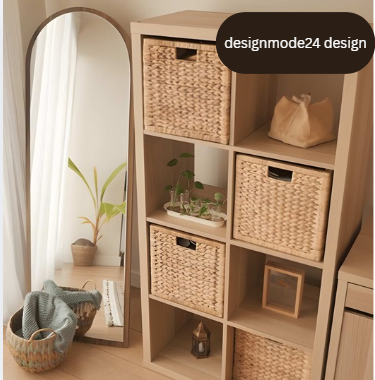
design designmode24 draws on Perth’s climate, which prioritizes shading and heat management, while most US regional design instead prioritizes maximizing daylight during shorter winter months. Perth sits in a Mediterranean climate with long, intense summer light, so window treatments there are chosen to filter and diffuse light rather than invite more of it in.
US homes in the Midwest and Northeast face the opposite problem for a large part of the year — rooms that need every available lumen of natural light during winter months. A transformation approach imported directly from a high-sun climate without adjustment can leave a Chicago living room looking dim rather than filtered. The practical takeaway: light-diffusing window treatments popular in sun-heavy regions should be swapped for sheer, light-maximizing versions in lower-light US climates, while the surface-texture-light sequencing itself still applies regardless of region.
| Factor | Perth-Style Approach | Typical Northern US Approach |
| Window treatment goal | Diffuse and filter intense light | Maximize available daylight |
| Peak design season | Year-round bright light management | Winter light scarcity planning |
| Common fabric weight | Lighter, breathable textiles | Heavier textiles with light layering options |
| Color palette lean | Cooler tones to offset heat | Warmer tones to offset gray winters |
What Common Mistakes Undermine a Space Transformation?
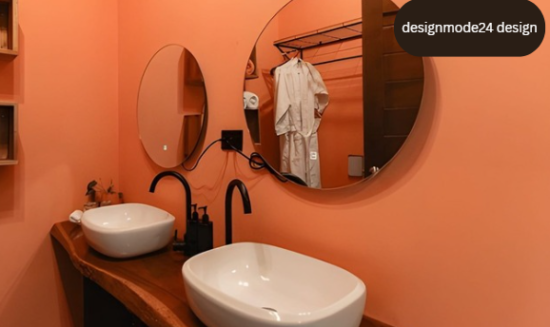
The most common mistake is changing furniture and decor before finalizing surface finishes, which forces homeowners to rebuy items that clash with the eventual wall color or flooring. This single sequencing error accounts for a large share of renovation budget overruns tracked informally across residential design projects.interior design brings modern home ideas, practical decorating tips, and smart space planning for stylish and functional rooms.
A second frequent mistake is treating a light fixture swap as sufficient on its own. Overhead lighting affects mood, but without a matching surface and texture update, the room still reads as unfinished. This exception matters: in small rooms under roughly 120 square feet, lighting changes alone can produce a noticeably different feel because the fixture occupies a larger proportion of the visual field — the 3-touchpoint rule holds less strictly in compact spaces than in larger rooms.
Where Should Homeowners Start Looking for Inspiration?

Homeowners researching a transformation should start with a function audit of the room, not a mood board, since mood boards built before function is settled tend to get abandoned mid-project. A written list of how the room gets used — including secondary uses like storage or guest overflow — should come before browsing any design imagery.
Once the function is clear, www. com and comparable resources become more useful, because the browsing has a filter attached rather than being open-ended. Comparing a handful of complete room transformations, rather than isolated product shots, gives a clearer sense of how surface, texture, and light work together in a finished space.
Frequently Asked Questions
What is the fastest way to transform a room on a budget?
Changing surface, texture, and light together in one smaller room, rather than spreading upgrades across an entire home, produces the most visible change per dollar spent. A single bedroom refresh hitting all three touchpoints typically reads as more transformed than a whole-house project that only changes paint.
Does a space transformation always require professional help?
No — the sequencing principle (surface, then texture, then light) can be applied by homeowners without professional design support. Professional input becomes more valuable for structural changes, custom fabrication, or when function needs are genuinely unclear.
How is space transformation different from home staging?
Home staging is temporary and aimed at a buyer’s first impression, while space transformation is intended to serve the resident’s daily function and remain in place long-term. Staging often skips the function audit entirely, since the goal is visual appeal rather than livability.
Is designmode24 design suited to renters?
Renters can apply the same surface-texture-light framework using removable or reversible materials, such as peel-and-stick finishes and freestanding lighting, without violating most lease terms. Written landlord approval is still required for any permanent surface change like paint.
How can someone contact designmode24 com for a project consultation?
Project inquiries typically go through the firm’s listed contact channels, and contact designmode24 com is the standard route for Perth-based clients seeking a design consultation. US-based readers can use the same framework independently without needing a direct consultation.
Do all rooms need the same renovation sequence?
Most rooms benefit from the same surface-then-texture-then-light order, with one exception: rooms under roughly 120 square feet can show a meaningful transformation from lighting changes alone, since the fixture occupies more of the visual field relative to the room’s size.
What’s the biggest sign a transformation is only half-finished?
A room that has new paint or flooring but keeps its original textiles and lighting will still read as dated, because only one of the three touchpoints has changed. Matching contrast across all three layers is what signals a completed transformation to the eye.
Conclusion
A space transformation succeeds when surface, texture, and light change together rather than one at a time. Design DesignMode24 principles apply this 3-touchpoint sequencing regardless of region, while regional light conditions — such as Perth’s sun-heavy climate versus a typical US winter — determine which specific materials fit each layer. Homeowners who audit function first and sequence their renovation accordingly avoid the repurchasing costs that come from decorating before the surface palette is set.
.
.